A San Francisco pedestrian was severely injured in 2023 when a driver struck her, throwing her in the path of a self-driving car that dragged her 20 feet while attempting to pull over. In the complex circumstances and legal fallout of the crash, educators saw a learning opportunity for future…
Blog
-
Solving mystery at tip of South America — Harvard Gazette
The southern tip of South America was one of the last regions of the world to be populated by modern humans, but the early history of settlement has remained murky.
A new study by Harvard researchers sheds new light on this mystery with the discovery of a previously unknown ancient lineage…
Continue Reading
-
Is AI dulling our minds? — Harvard Gazette
A recent MIT Media Lab study reported that “excessive reliance on AI-driven solutions” may contribute” to “cognitive atrophy” and shrinking of critical thinking abilities. The study is small and is not peer-reviewed, and yet it delivers a warning that even artificial intelligence…
Continue Reading
-
A potential quantum leap — Harvard Gazette
The dream of creating game-changing quantum computers — supermachines that encode information in single atoms rather than conventional bits — has been hampered by the formidable challenge known as quantum error correction.
In a paper published Monday in Nature, Harvard researchers…
Continue Reading
-
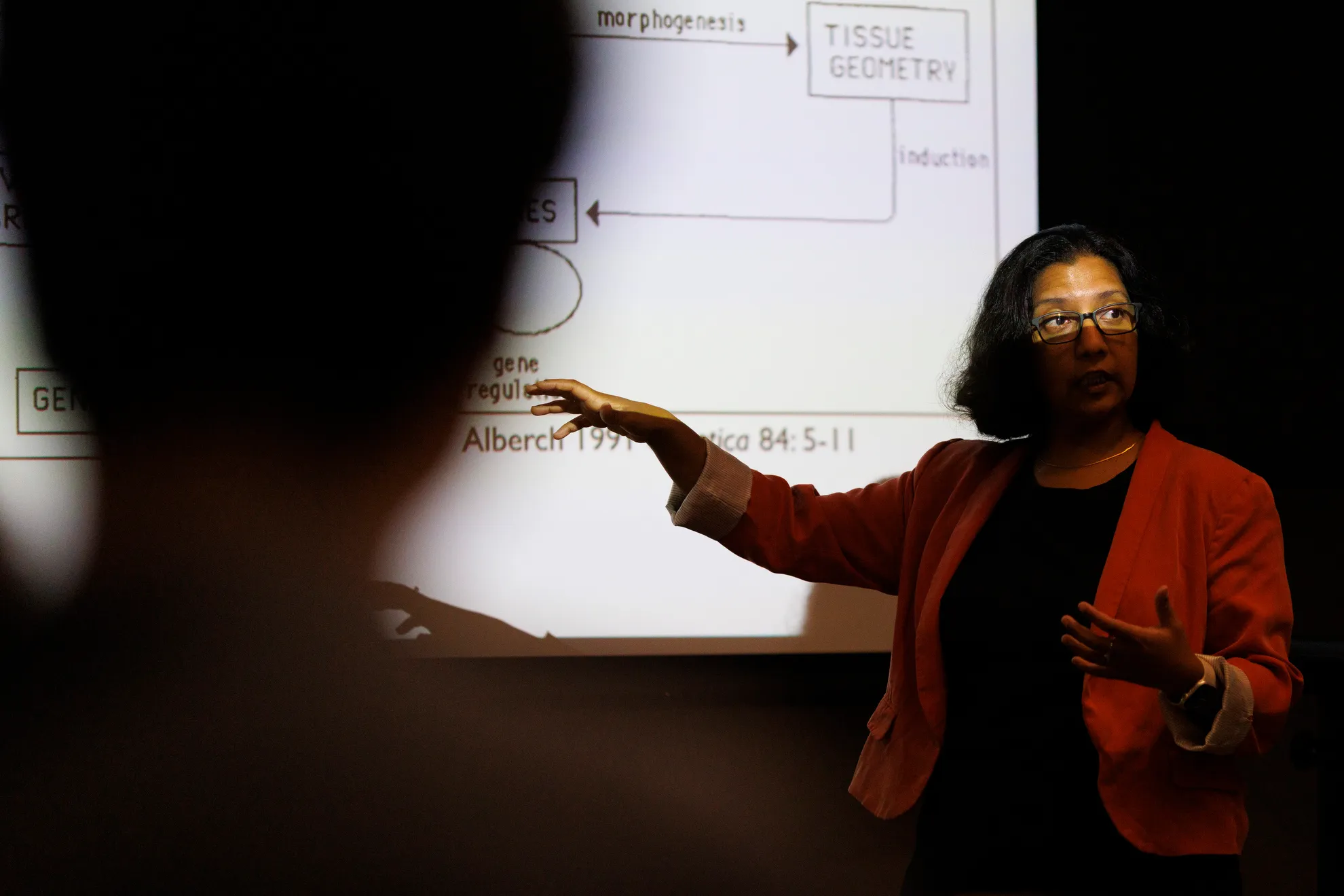
No one knows the answer, and that’s the point — Harvard Gazette
A few weeks after their arrival at the College, 15 first-year students settled into chairs for an unusual class — one with no answers.
The brainchild of Dean of Science Jeff Lichtman, “Genuinely Hard Problems in Science” explores mysteries of the natural world that have stubbornly…
Continue Reading
-
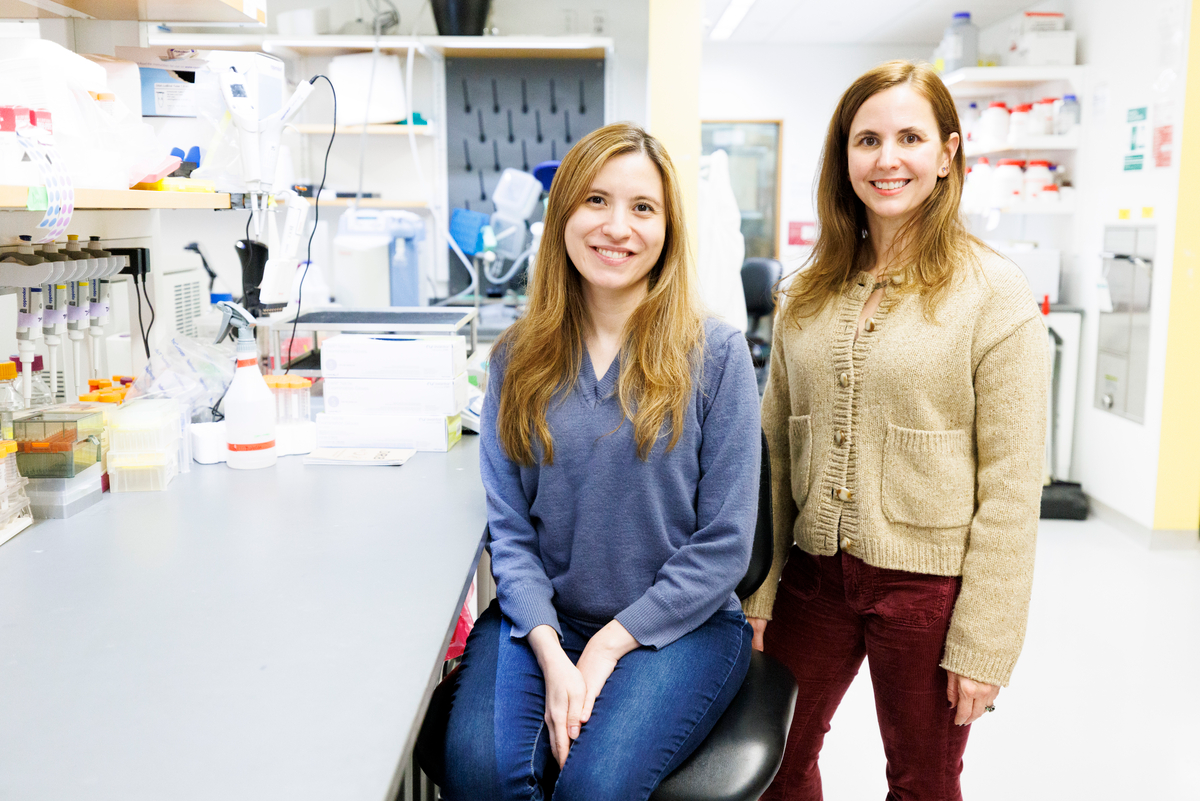
Salamanders can regrow limbs. Could humans someday? — Harvard Gazette
Biologists long have been fascinated by the ability of salamanders to regrow entire limbs. Now Harvard researchers have solved part of the mystery of how they accomplish this feat — by activating stem cells throughout the body, not just at the injury site.
In a new paper published in the…
Continue Reading
-
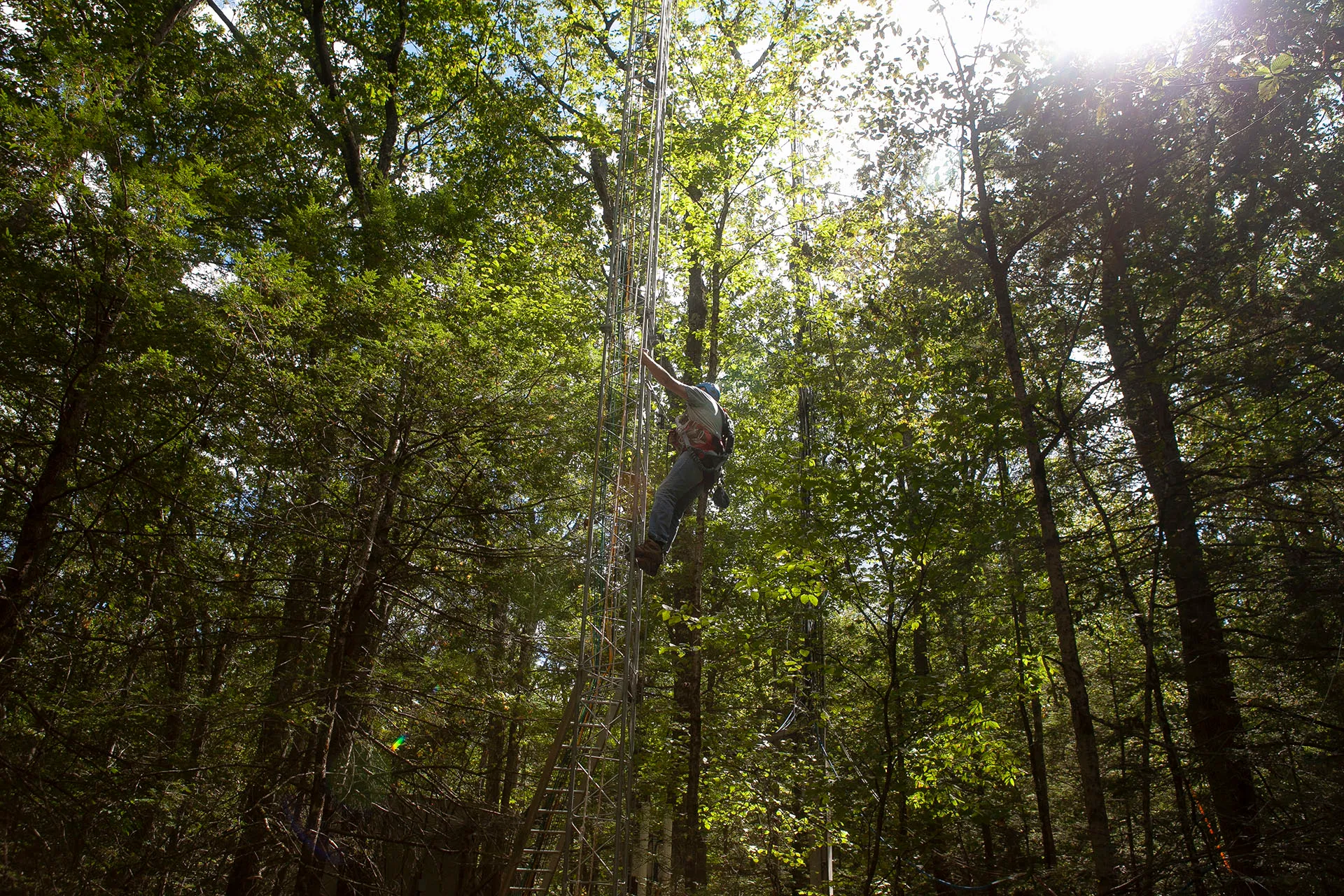
Tracking climate change through nature’s ‘breaths’ — Harvard Gazette
You might call it the case of the missing carbon.
It was the 1980s. Scientists knew roughly how much carbon dioxide (CO₂) was being emitted globally by humans burning fossil fuels and by natural processes such as volcanos. They also knew how much CO₂ was in the atmosphere. These data…
Continue Reading
-
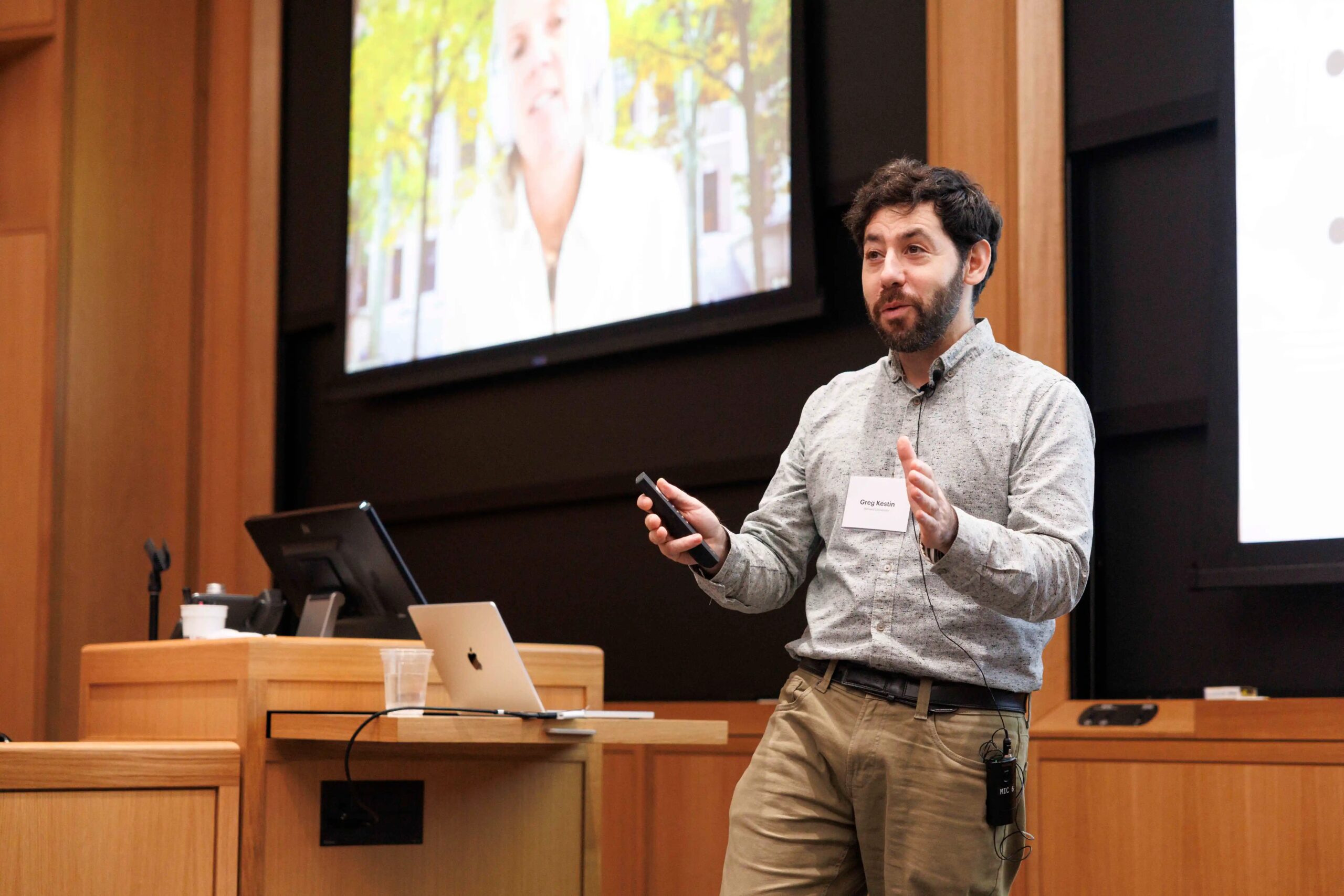
What if AI could help students learn, not just do assignments for them? — Harvard Gazette
Educators’ concerns are running high when it comes to AI and how it may undermine teaching and learning. But what if teachers could find ways to use AI to measurably help students learn, rather than simply do their work for them?
Across campus, professors are experimenting with AI “tutor…
Continue Reading
-
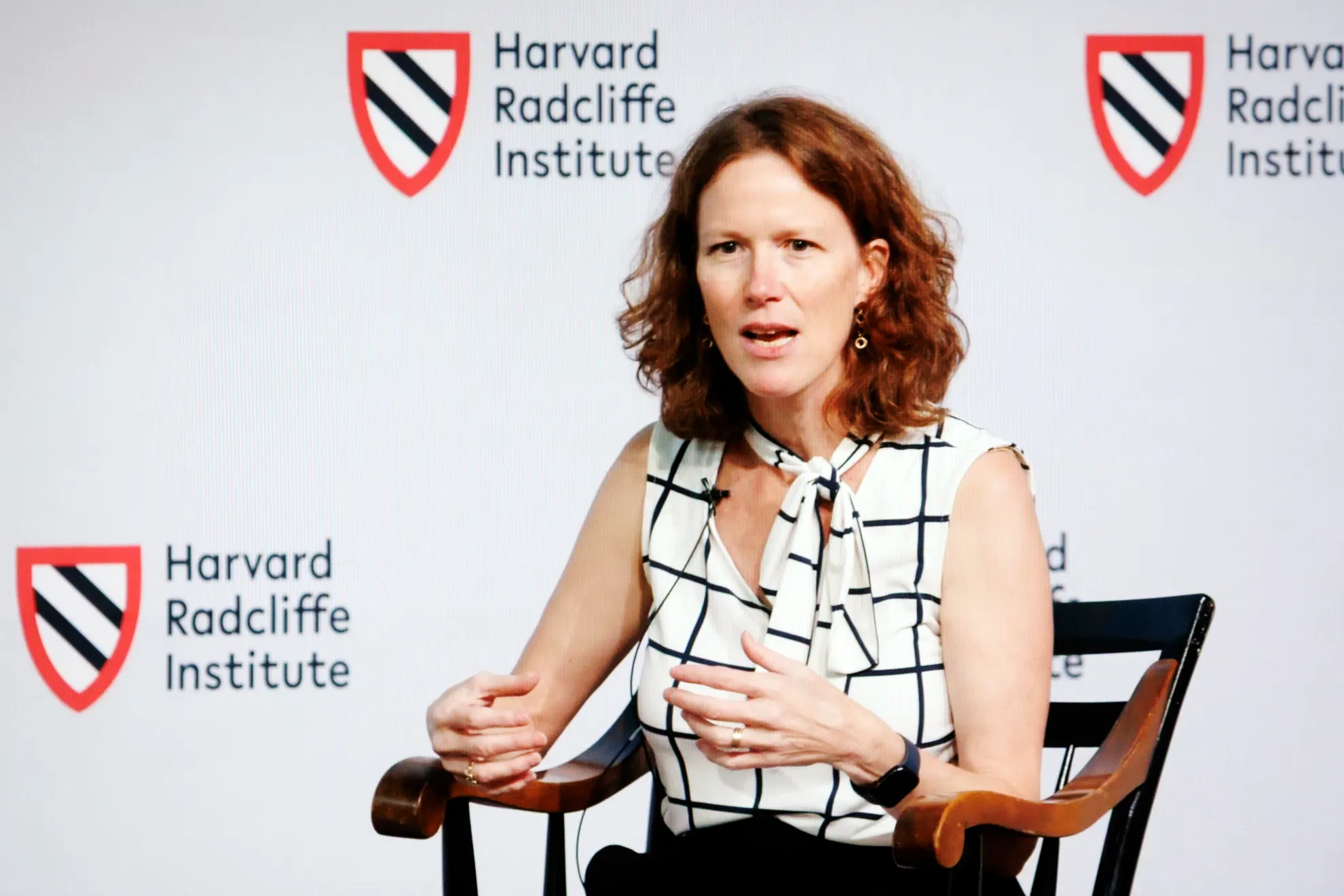
You see Saturn’s rings. She sees hidden number theory. — Harvard Gazette
Why are there gaps in the asteroid belt?
The answer can be found in dynamical systems, the branch of mathematics that deals with the evolution of chaotic systems over time. The field was the subject of a recent Harvard Radcliffe Institute talk by Laura DeMarco.
“It turns out…
Continue Reading
-
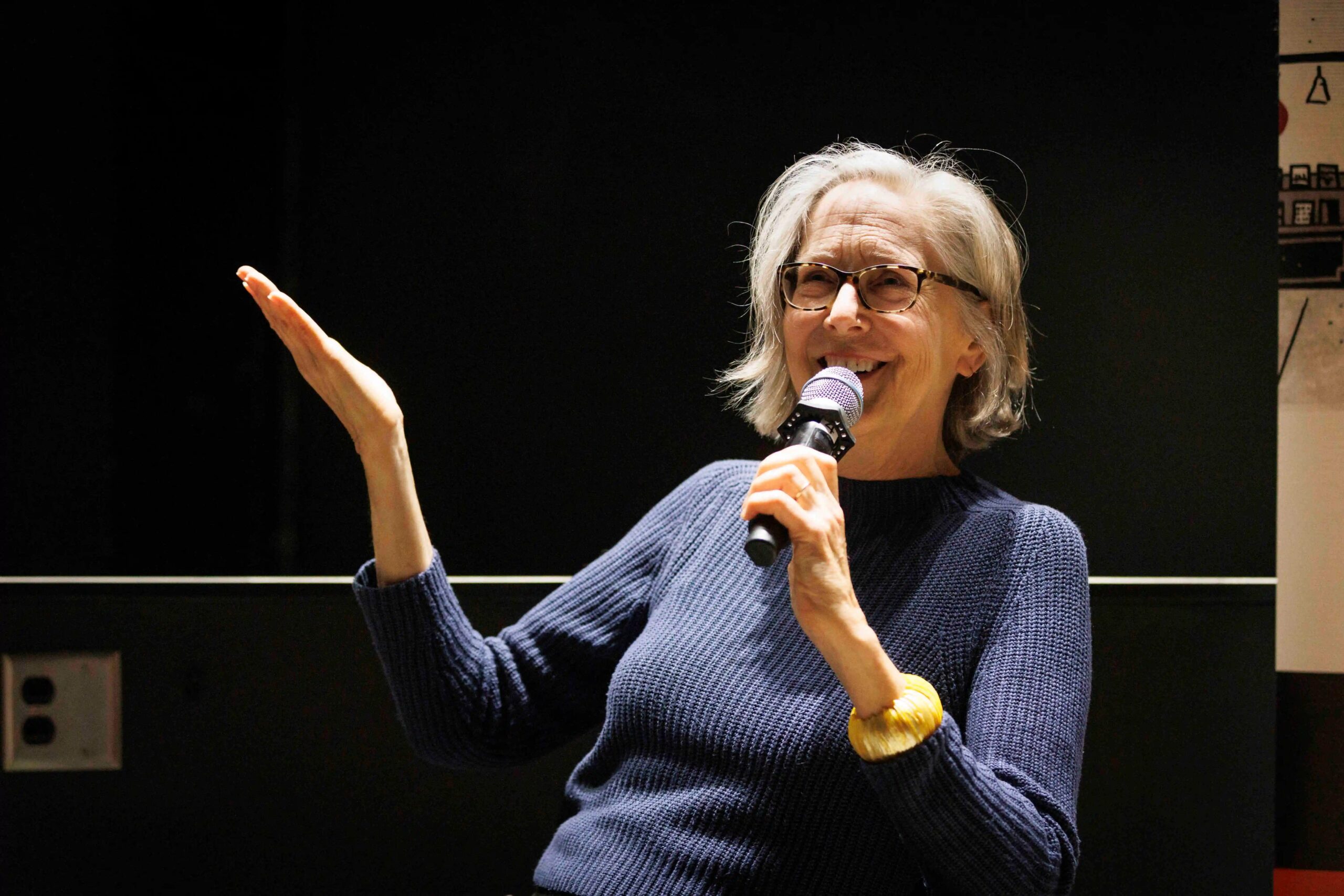
Her science writing is not for the squeamish — Harvard Gazette
It is hard to gross out Mary Roach, but not impossible.
The science writer’s books have explored uncomfortable topics ranging from the afterlife of cadavers to the physiology of sex to the “alimentary canal” running from your mouth to your anus. She once visited a “body farm” in…
Continue Reading