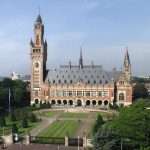
The Allegations of Genocide case has entered a new phase. On 5 December 2025, the International Court of Justice (Court) issued an order on Russia’s counter-claims. By eleven votes to four, it found them admissible as such and forming part of the current proceedings. Naturally, the decision on…
Blog
-
A tiny limpet reveals big secrets — Harvard Gazette
In the depths of the central Pacific Ocean, nearly 2,400 meters below the surface, scientists found a new species of deep-sea limpet clinging to a sunken log.
The discovery represents a significant find in the study of the deep ocean, the largest ecosystem on the planet but one that is…
Continue Reading
-
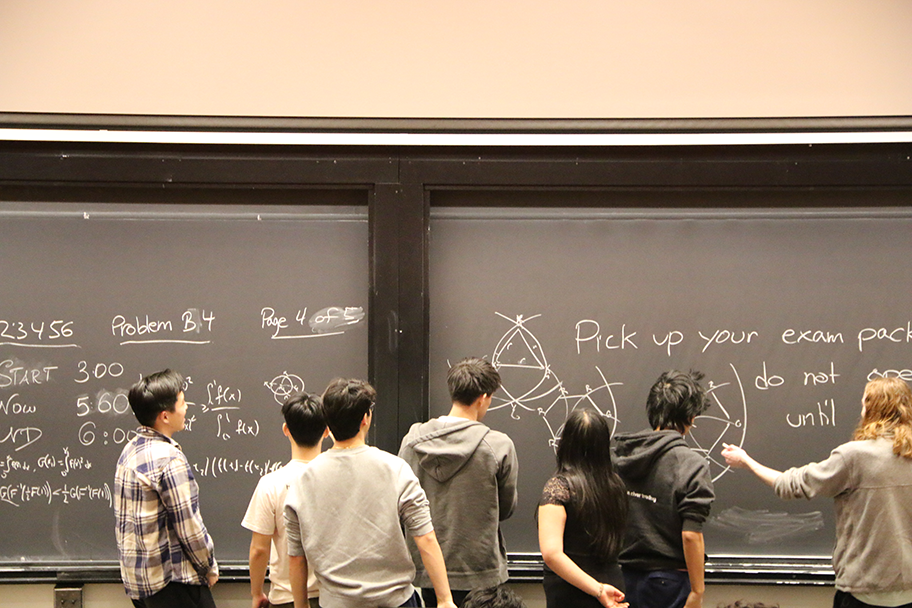
‘It just feels good when you solve the hard problems’ — Harvard Gazette
At crunch time at the end of fall semester, Easton Singer ’26 had many things piled on his plate: an orchestra performance, final exams and projects, a senior thesis, and applications for graduate school. Yet he put all that aside to spend a precious Saturday in the middle of reading period…
Continue Reading
-
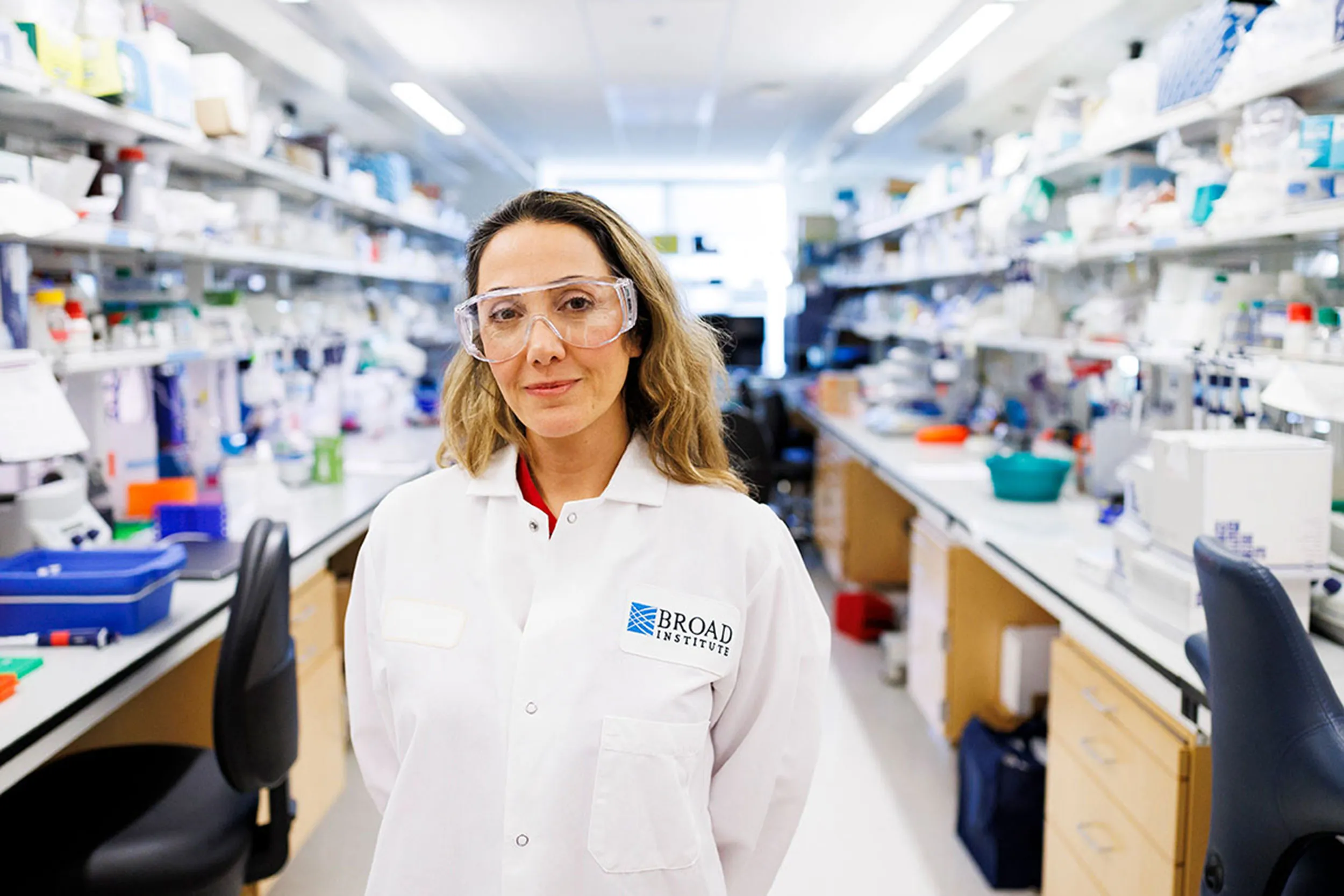
Stopping the next pandemic — Harvard Gazette
It began with some intriguing scientific discoveries.
A team of researchers from the Broad Institute and Harvard began to suspect nearly two decades ago that so-called “emerging diseases” such as Ebola and Lassa virus were not quite what they seemed. Rather than being newly evolved…
Continue Reading
-

Prosecuting Members of Russian Mercenary Groups for War Crimes, a Remedy for Victims? – EJIL: Talk!
‘Remedy is rare’ for the victims of atrocity crimes and human rights violations committed by contemporary mercenaries. Indeed, there have been only a few prosecutions of mercenaries fighting in Ukraine since 2014 and those have been specifically for the crimes of mercenarism or for engaging…
Continue Reading
-
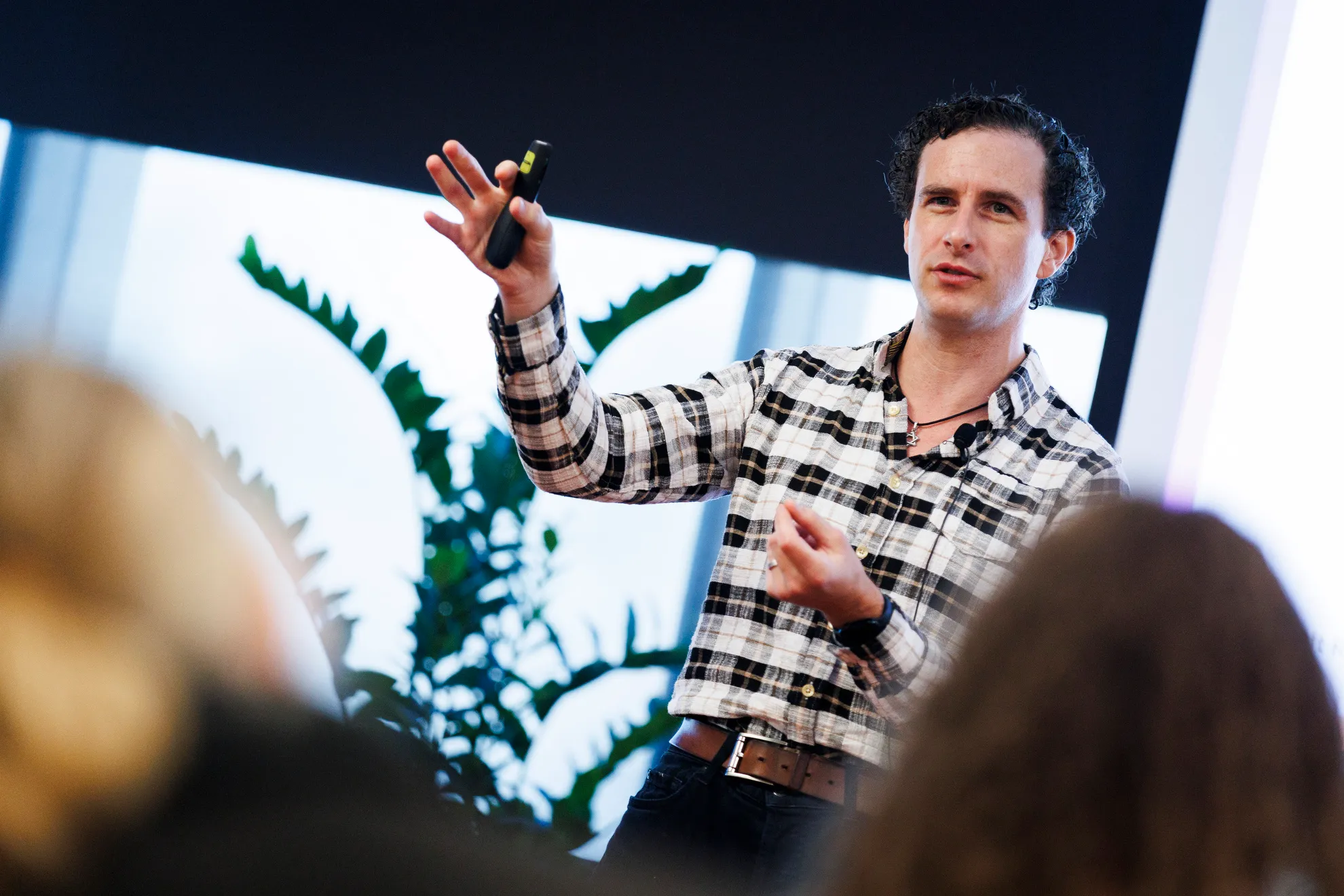
Rethinking — and reframing — superintelligence — Harvard Gazette
The debate over artificial superintelligence (ASI) can tend toward extremes, with predictions that it will either save humanity or destroy it. E. Glen Weyl has a different perspective: Superintelligence is already here, and it has been for thousands of years.
Speaking Nov. 19 at the Berkman…
Continue Reading
-

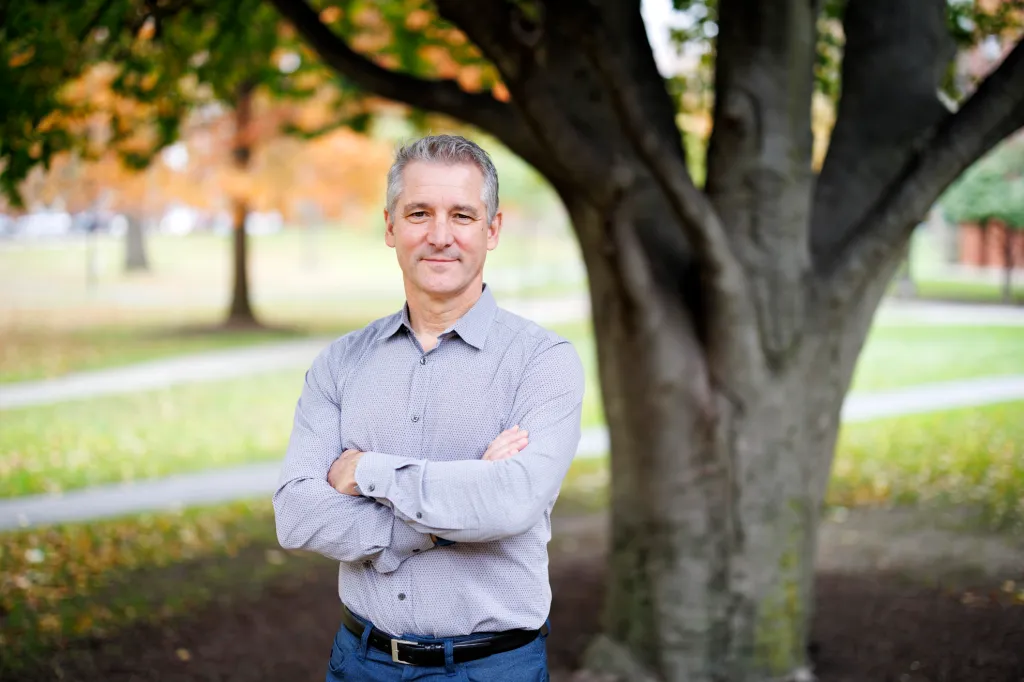
First, male gets heated up, then female, and then, you know — Harvard Gazette
Brace yourself for a hot story about plant sex.
Harvard researchers have discovered that cycads — an ancient lineage of seed plants — heat their reproductive organs to attract beetle pollinators, which in turn evolved specialized infrared sensors. First male cycads warm their pollen…
Continue Reading
-

Targeting Third-State Merchant Vessels: Military Objectives and War-Sustaining Objects in the Russo-Ukrainian Armed Conflict – EJIL: Talk!
The Russian aggression that precipitated the Russo-Ukrainian armed conflict has long seen both states affirm the validity of forcible economic warfare at sea. Invoking the law of contraband, they have declared and to varying degrees demonstrated their intent and willingness to inspect, intercept…
Continue Reading
-

‘Consciousness’ — Harvard Gazette
In the movies, a comatose patient can be unreachable one moment, just fine the next.
“That suggests there’s a clearly demarcated border between unconsciousness and consciousness,” said Joseph Giacino, a professor of physical medicine and rehabilitation at Harvard Medical School…
Continue Reading
-
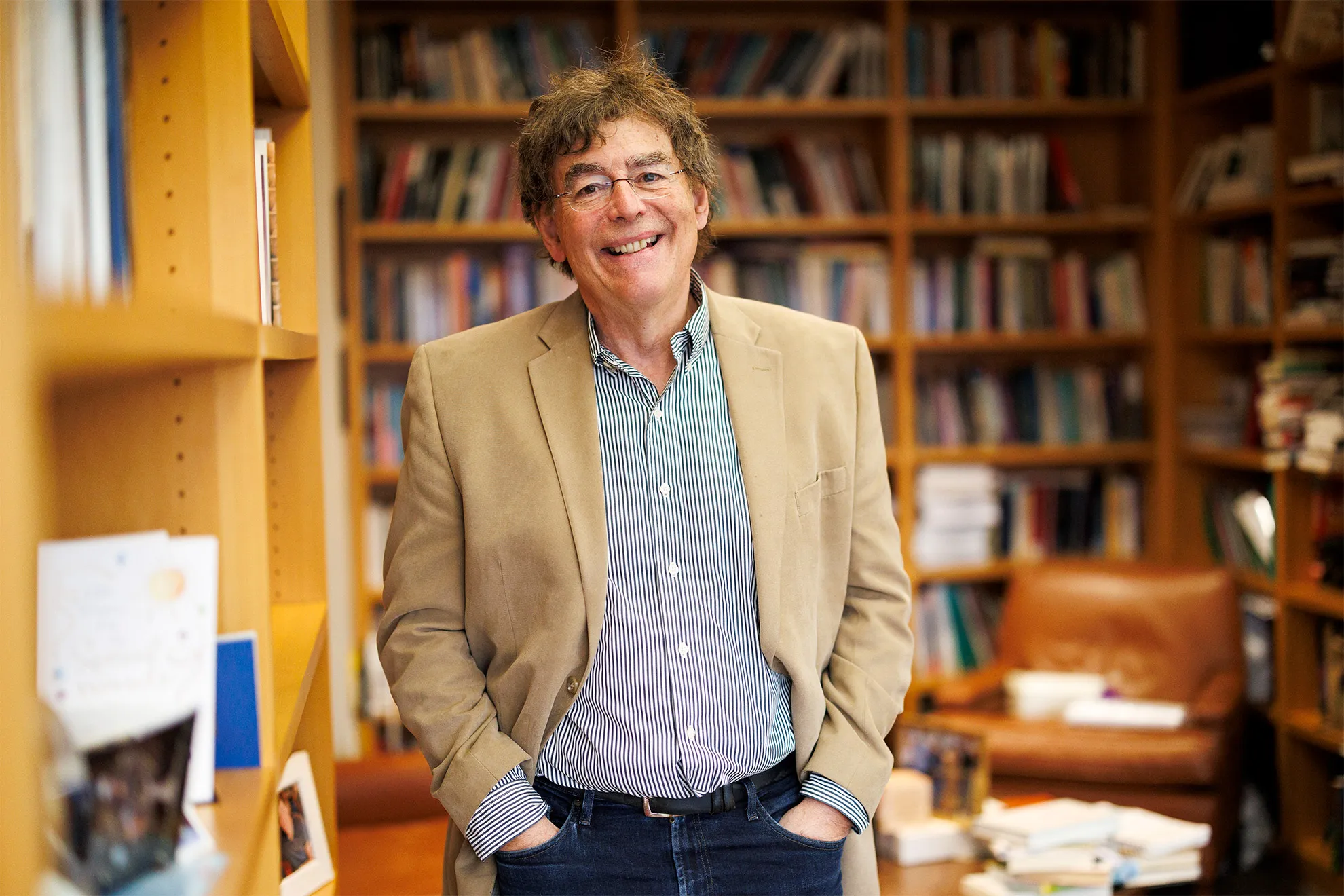
Science needs contrarians, and contrarians need support — Harvard Gazette
Picture a scientist with a provocative hypothesis — something that defies conventional wisdom or verges on the outlandish.
Supporting the pursuit of that big, bold claim is the goal of the Institute for Quantitative Social Science’s new Extraordinary Claims, Extraordinary Evidence (ECEE)…
Continue Reading