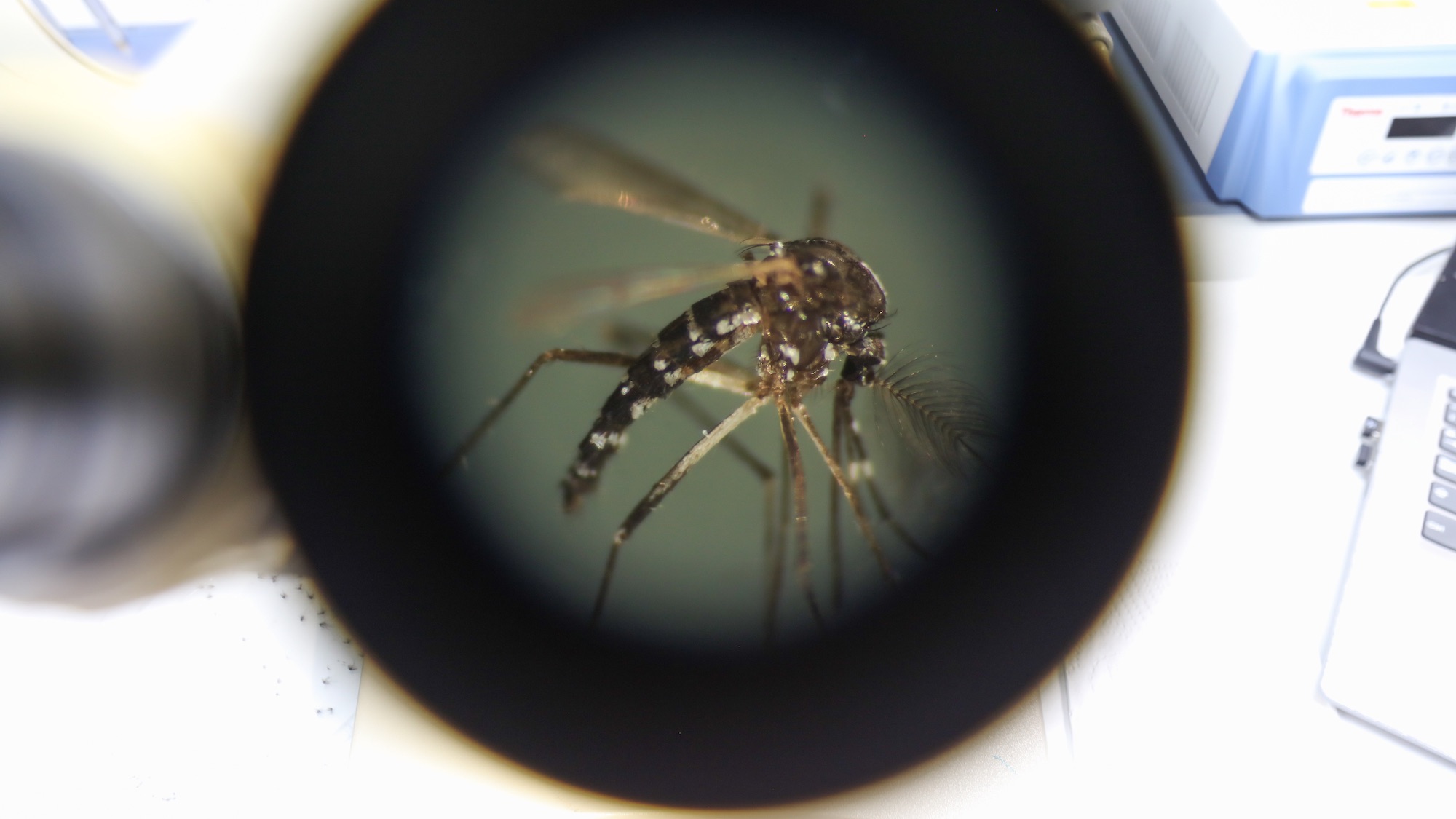
In 1958, the Pan American Health Organization (PAHO) made a milestone announcement: they had exterminated the mosquito Aedes aegypti–a transmitter of the deadly diseases dengue, chikungunya, and yellow…
Category: 7. SciTech
-

This man has been bitten by snakes 200 times – now his blood could save lives
Tim Friede, a Wisconsin resident with a long-standing fascination for venomous creatures, has endured hundreds of snake bites, many…
Continue Reading
-
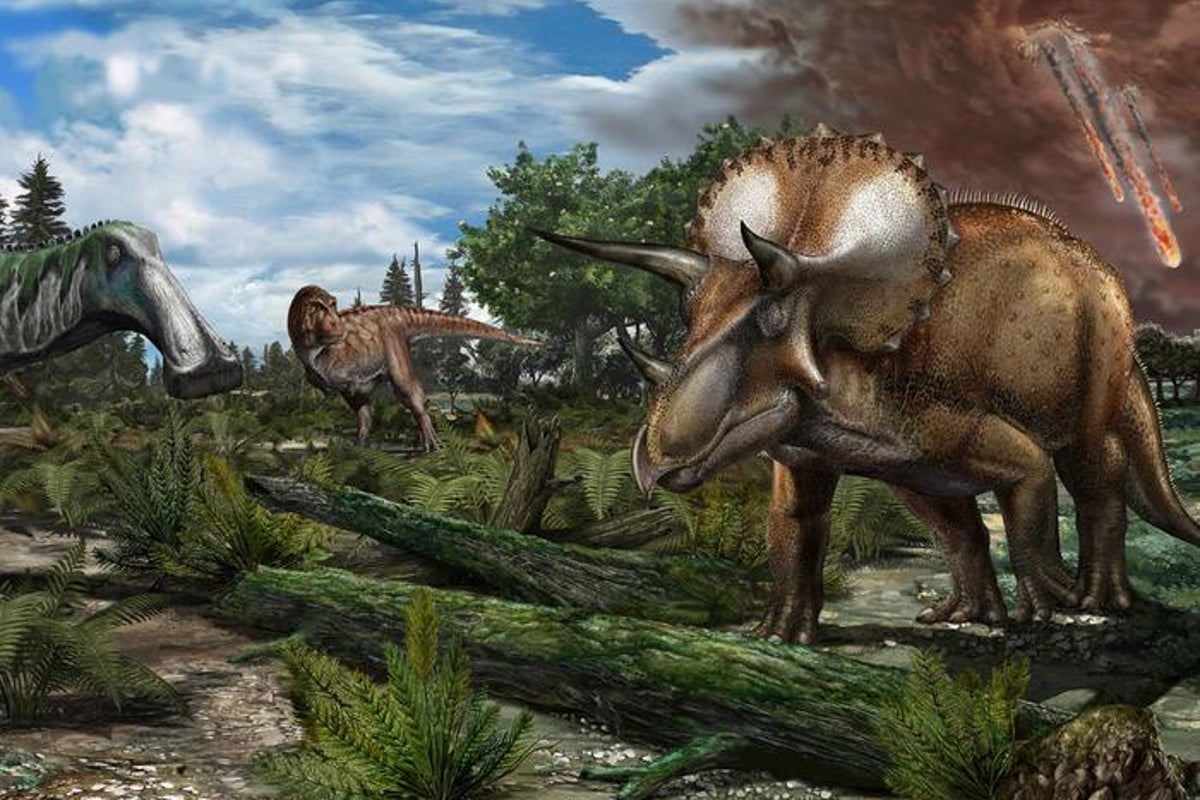
Dinosaurs were probably not doomed for extinction and could exist today — if it weren’t for the giant asteroid
There might still be dinosaurs living on Earth today — if not for the giant asteroid.
It’s a long-debated issue, but now researchers say…
Continue Reading
-
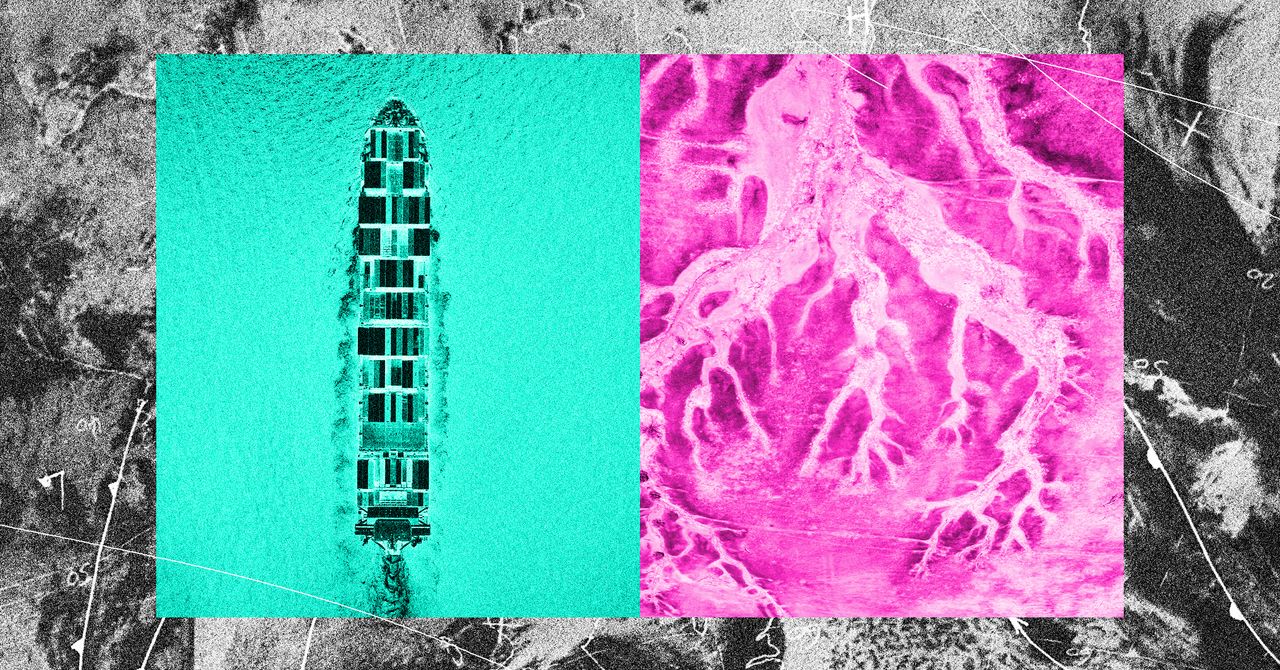
The Climate Crisis Threatens Supply Chains. Manufacturers Hope AI Can Help
Abhi Ghadge, associate professor of supply chain management at Cranfield University in the UK, says there has been “a general kind of negligence” in terms of climate resilience, though that is beginning to change.
Building a detailed understanding of a supply chain can, however, be incredibly…
Continue Reading
-

Secret messages engraved on 3,300-year-old Egyptian obelisk in Paris finally decoded
Hieroglyphics carved on the famous ancient Egyptian Obelisk in Paris could be propaganda praising pharaoh Ramesses II as ordained by the…
Continue Reading
-
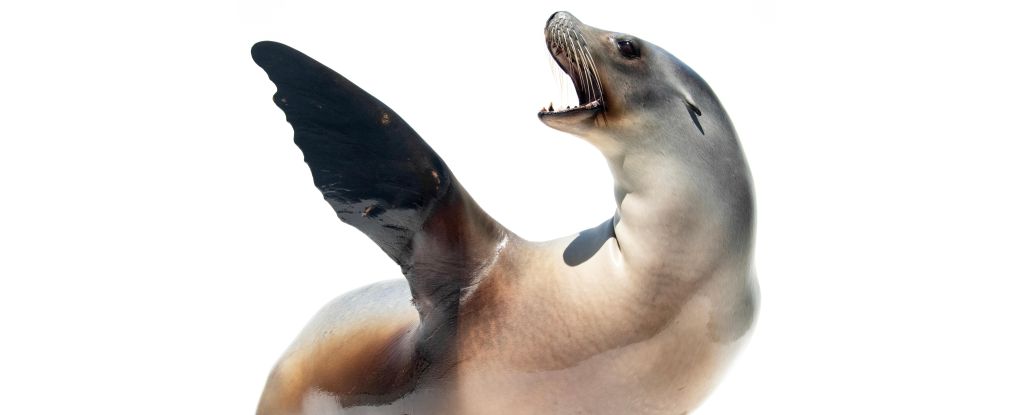
This Adorable Sea Lion Can Keep a Beat Better Than Some Humans : ScienceAlert
A feel for the groove isn’t restricted to humans, but it does seem pretty limited across the animal kingdom. Chimpanzees can keep a beat, but their ability to do so is low compared to Homo sapiens. One species of lemur is better.
A 16-year-old California sea lion (Zalophus californianus)…
Continue Reading
-
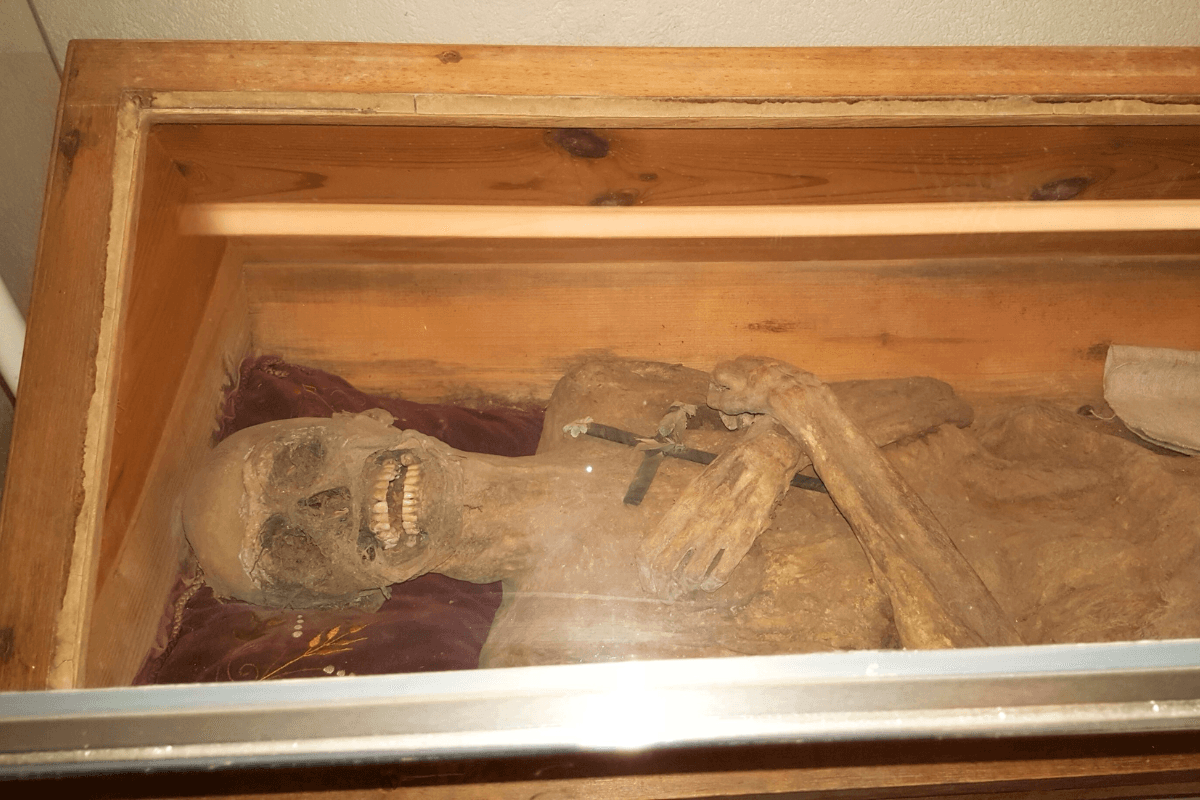
Mummy preserved with bizarre rectal embalming method discovered by archaeologists
Archaeologists have discovered that a well-preserved mummy seems to have been air-dried by stuffing the rectum with wood chips, twigs, fabric and zinc chloride.
The 280-year-old corpse belonged to an Austrian priest and is the first example archaeologists have found of this bizarre – and…
Continue Reading
-

Earth’s oceans may soon turn purple
We’ve always called Earth the blue planet, but that color might not be permanent. Previous research claims our oceans were once green, and if environmental conditions shift dramatically, a new study says they could eventually turn purple.
The study, published in Nature Ecology &…
Continue Reading
-

If the ‘Big One’ earthquake hits the West Coast it’s gonna sink the land, experts warn
The next major Pacific Northwest earthquake could cause coastal land to sink by up to 6.5 feet in a matter of minutes — and continue to sink…
Continue Reading
-
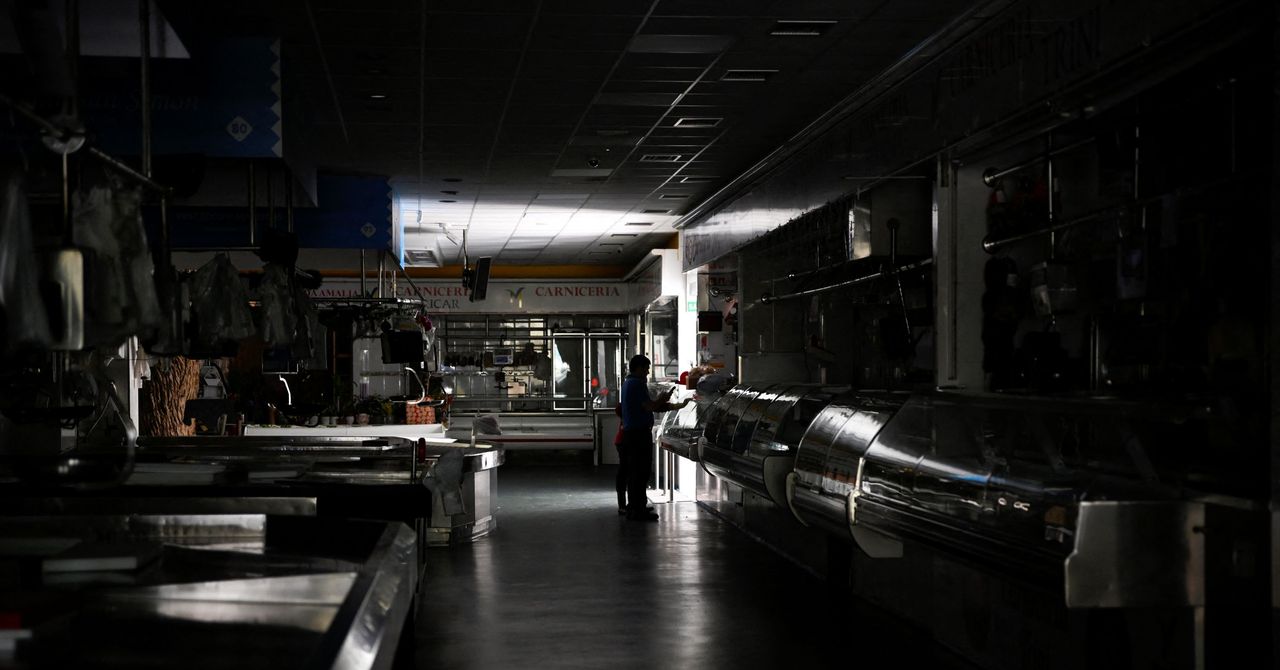
What Caused the European Power Outage?
The causes of the power outage that left millions in Spain and Portugal without electricity on Monday have yet to be fully determined, though service has now been restored across 99 percent of the Iberian peninsula. Red Eléctrica, the public company in charge of operating Spain’s transmission…
Continue Reading