
More than a fifth of the global ocean is getting darker, and researchers say this could have serious consequences for marine ecosystems and humanity. According to a new study from the University of Plymouth, 21% of the world’s oceans have experienced a decline in sunlight penetration…
Category: 7. SciTech
-
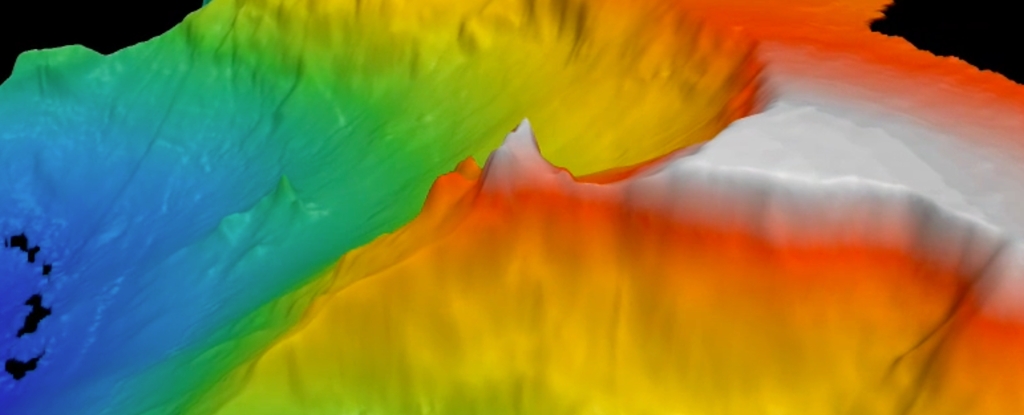
‘Lost City’ Deep Beneath The Ocean Is Unlike Anything We’ve Seen Before on Earth : ScienceAlert
Close to the summit of an underwater mountain west of the Mid-Atlantic Ridge, a jagged landscape of towers rises from the gloom.
Their creamy carbonate walls and columns appear ghostly blue in the light of a remotely operated vehicle sent to explore.
They range in height from tiny stacks the…
Continue Reading
-
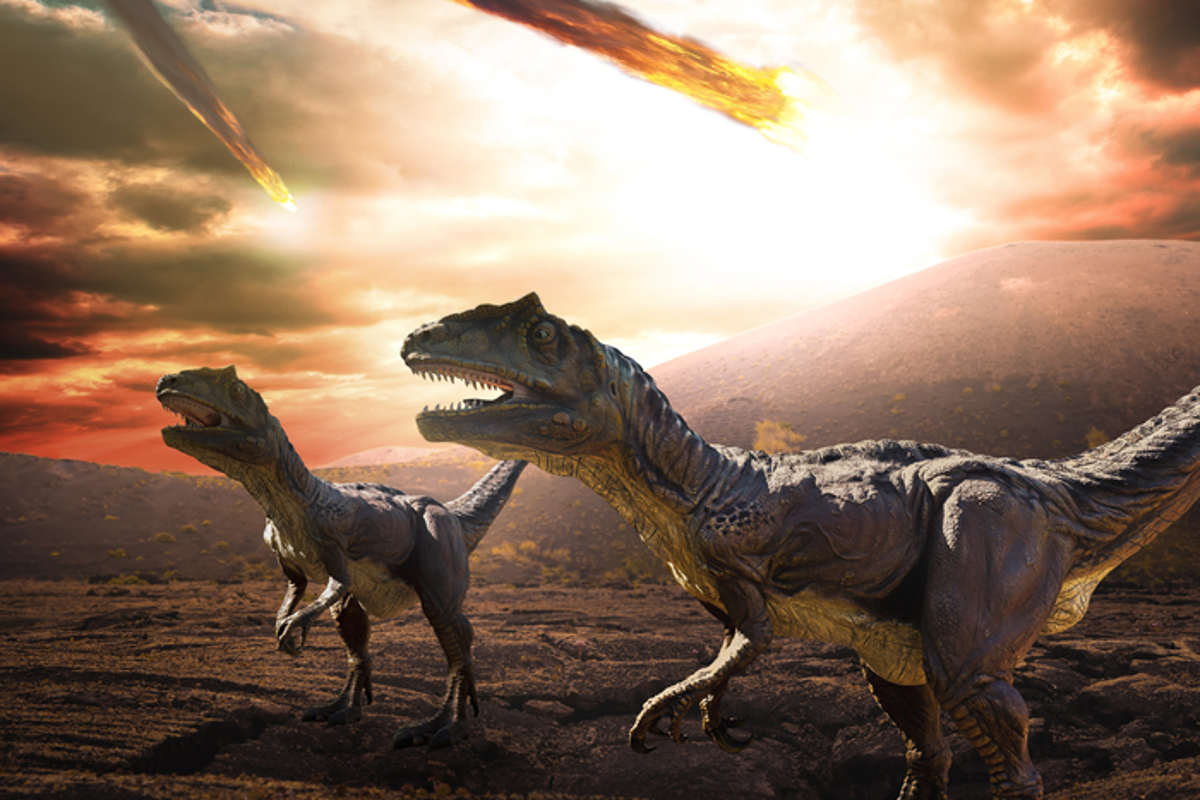
New dinosaur discovery could hold the key to human cancer treatment
Scientists believe dinosaur fossils could hold the key to new cancer discoveries and influence future treatments for humans.
A decade-long study…
Continue Reading
-

Tropical trees could warn us about impending volcanic eruptions
New research suggests that trees near volcanoes might help scientists detect early signs of eruptions. By monitoring subtle changes in leaf color, researchers can now reportedly track volcanic activity from space, offering a new tool for natural volcano warnings.
As magma rises…
Continue Reading
-
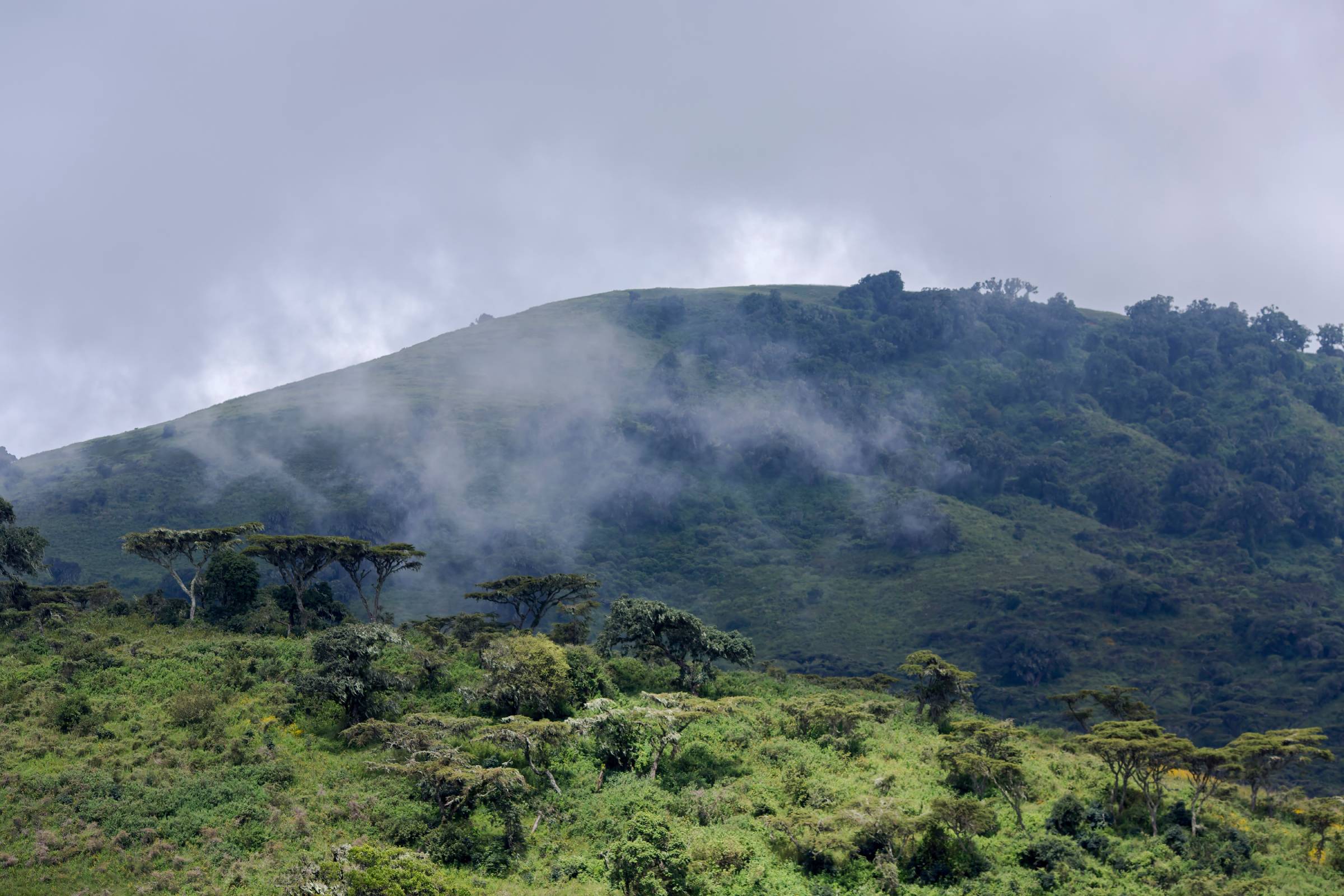
Researchers found evidence that Africa might be breaking in two
For millions of years, Africa has been slowly splitting apart. Now, scientists have found new evidence pointing to a dramatic force deep beneath the continent—a rising African superplume that could be driving the divide.
This vast column of hot rock, rising from the boundary between…
Continue Reading
-
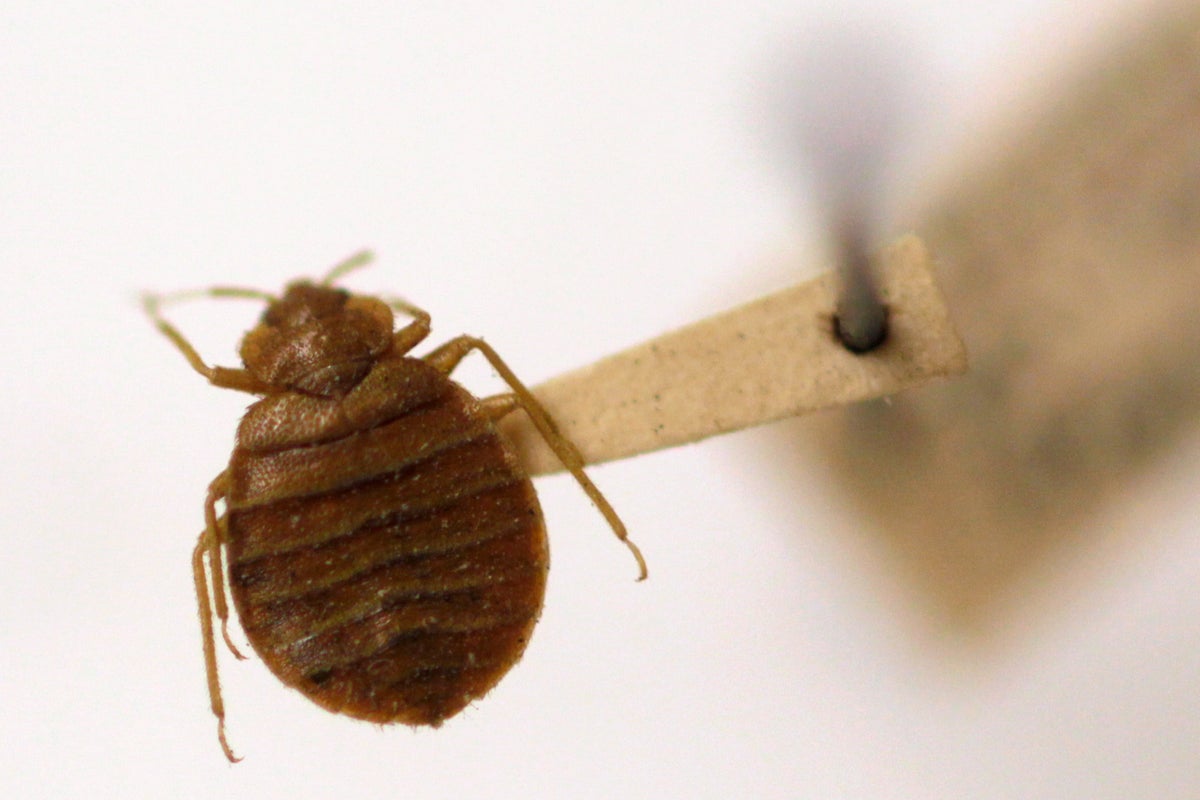
Bedbug numbers soared when humans left caves and moved to cities, scientists find
Bedbugs may have been interrupting human sleep for more than 50,000 years, but it was only when humans left caves and formed the first cities…
Continue Reading
-
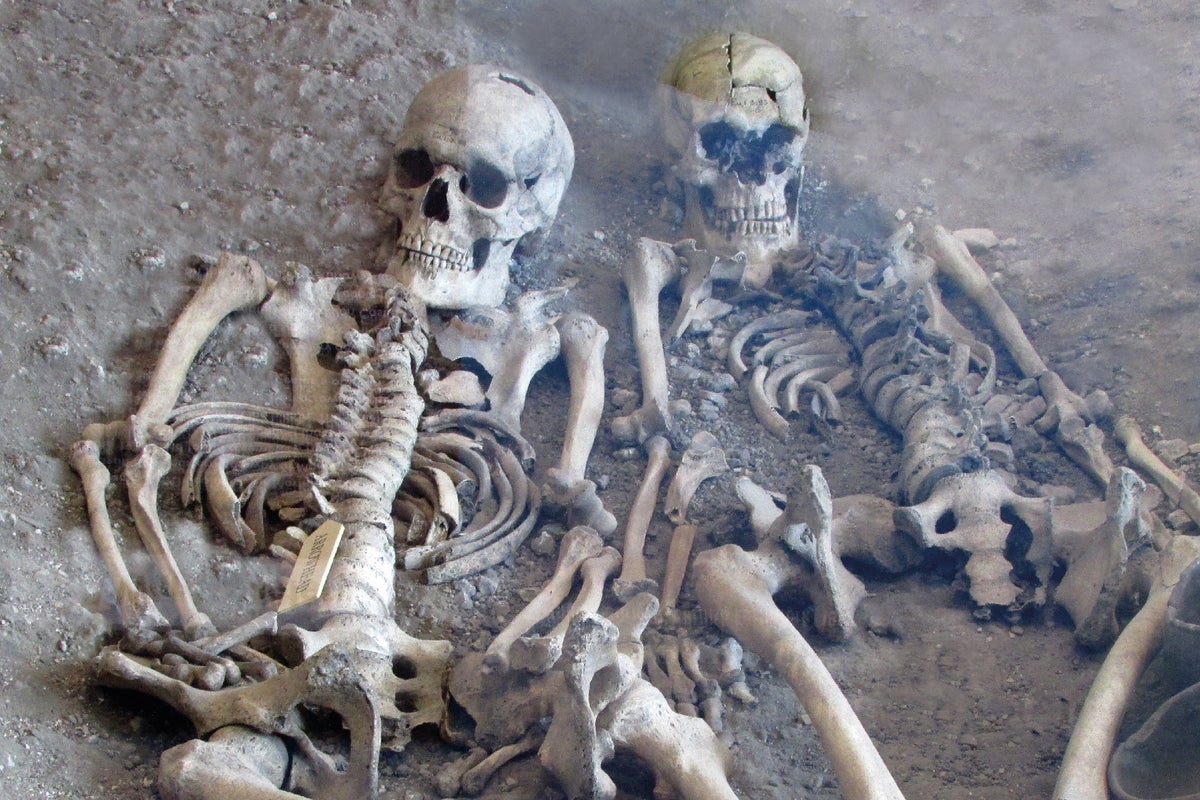
‘Game of Thrones-style families’ behind 2,000-year-old Dorset massacre
Game of Thrones-like barons in England were responsible for the brutal massacre of dozens of people 2,000 years ago, research has revealed.
The…
Continue Reading
-
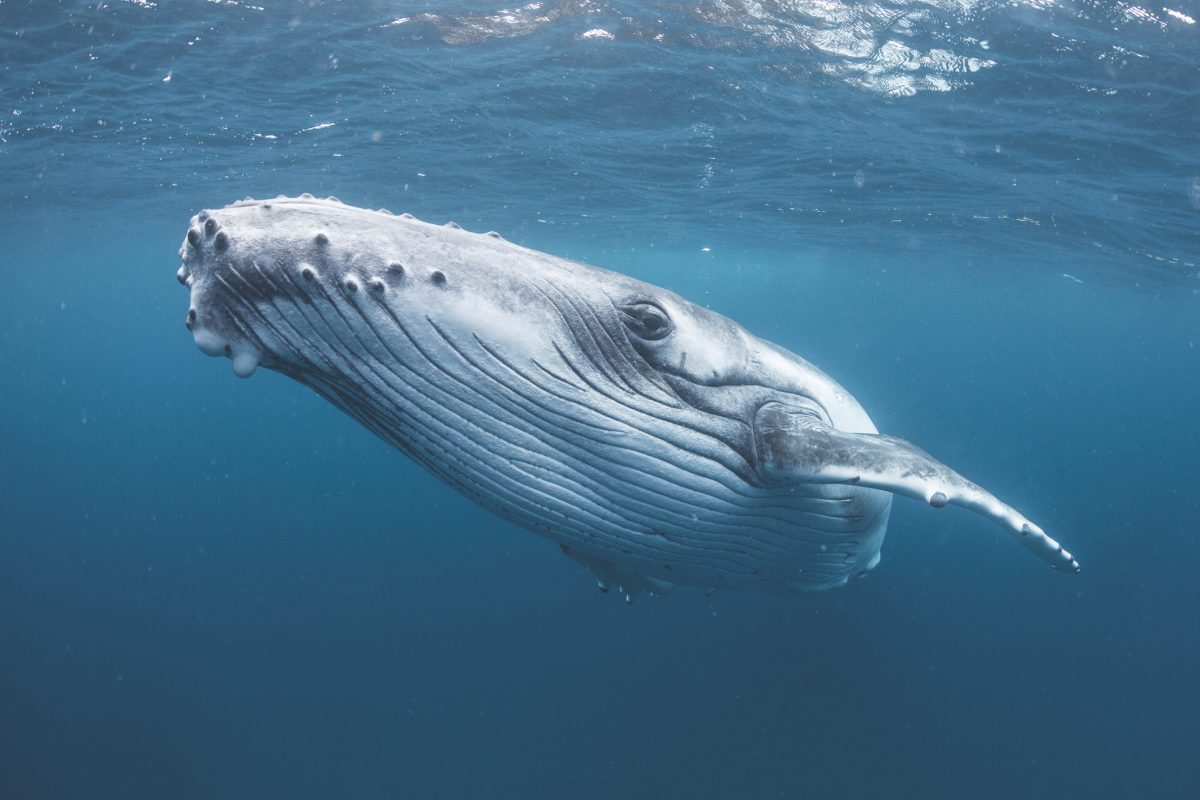
Humpback whales keep bumping into things because they’re shortsighted, claims study
Humpback whales have shockingly poor eyesight, which can cause them to bump into objects, claims a new study.
The gentle giants lack the ability to make out fine details until they are right up close, potentially explaining why the animals have a tragic tendency to get caught up in fishing nets…
Continue Reading
-

Are ice baths good for you? The benefits and risks of a cold plunge.
Soothing sore muscles. Improving mood and sleep. Accelerating weight loss. Vagus nerve stimulation. Wellness enthusiasts, athletes,…
Continue Reading
-
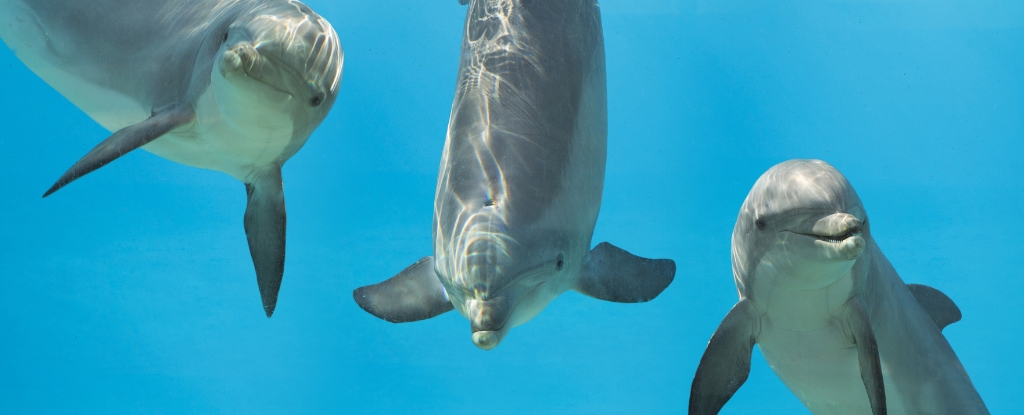
Dolphins Give Themselves Names That Could Hide Secret Information : ScienceAlert
Like us humans, many animals rely on social interactions to survive and thrive. As a result, effective communication between individuals is essential.
Highly social animals often have more complex communication systems. Think of a group of chimpanzees gesturing and vocalising at each other,…
Continue Reading