
Since the change in kinetic energy is still zero, this means that the positive change in gravitational potential energy is equal to the negative of the change in internal energy. Let’s say you have a mass of 75 kilograms (165 pounds). That means moving up 1 meter would reduce your internal…
Category: 7. SciTech
-
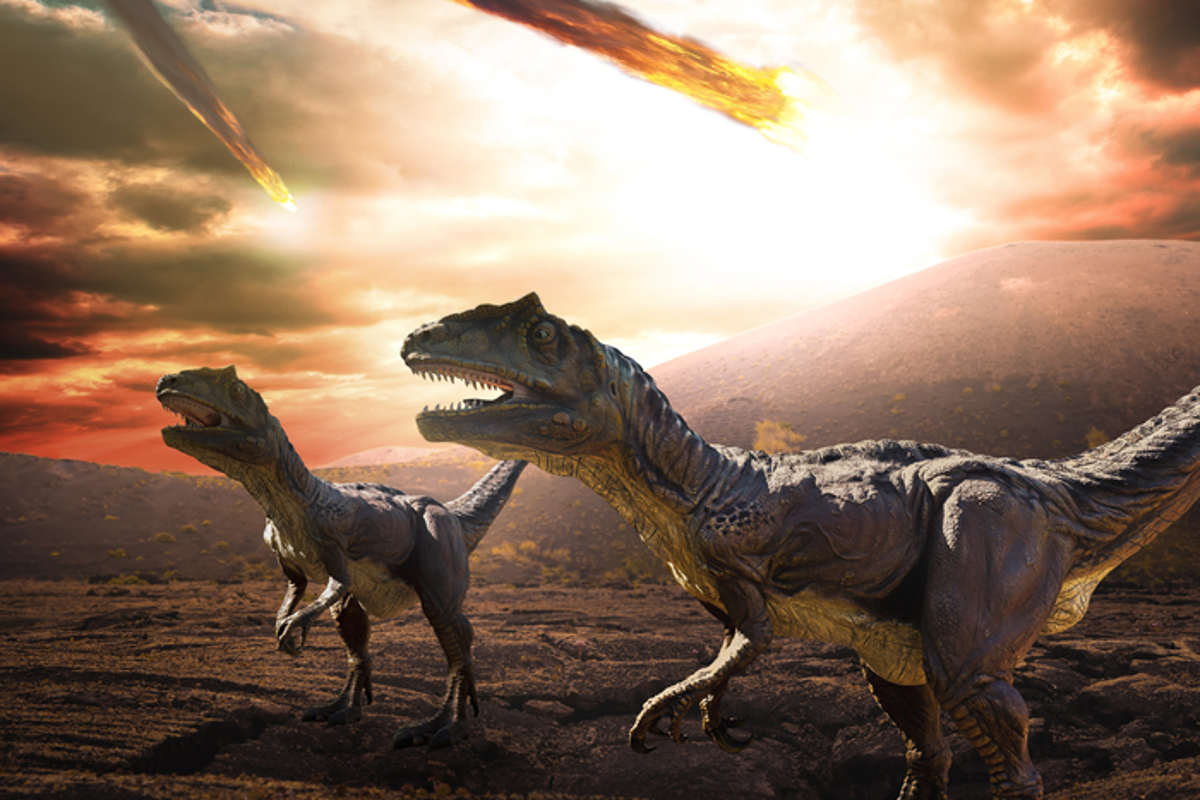
Could a 70 million-year-old dinosaur fossil hold the key to new cancer discoveries?
Scientists believe dinosaur fossils could hold the key to new cancer discoveries and influence future treatments for humans.
A decade-long study…
Continue Reading
-

Why we forget our childhoods
My earliest memories are more like nostalgic flickers. The sunlit kitchen and living room of my childhood home. The candle I burned…
Continue Reading
-

Scientists fear Britain’s entire food chain contaminated as study finds microplastics in bugs
Plastic pollution is harming slugs, beetles, snails and earthworms, new research has found, raising fears Britain’s entire food…
Continue Reading
-

Nearly 3,000-year-old Mayan city with ‘remarkable’ architecture unearthed in Guatemala
Archaeologists in Guatemala have discovered the ruins of a 3,000-year-old Maya city featuring “remarkable” architecture, including pyramids…
Continue Reading
-

Scientists finally crack mystery of how clapping generates sound
Scientists have finally unravelled the complex process that generates sound during handclaps, a discovery that shows how even simple acts can…
Continue Reading
-

Mystery behind why some cats purr more than others finally unravelled
Cats with a gene type associated with mixed breeds may purr more at their human companions than those without, according to a new study.
The…
Continue Reading
-
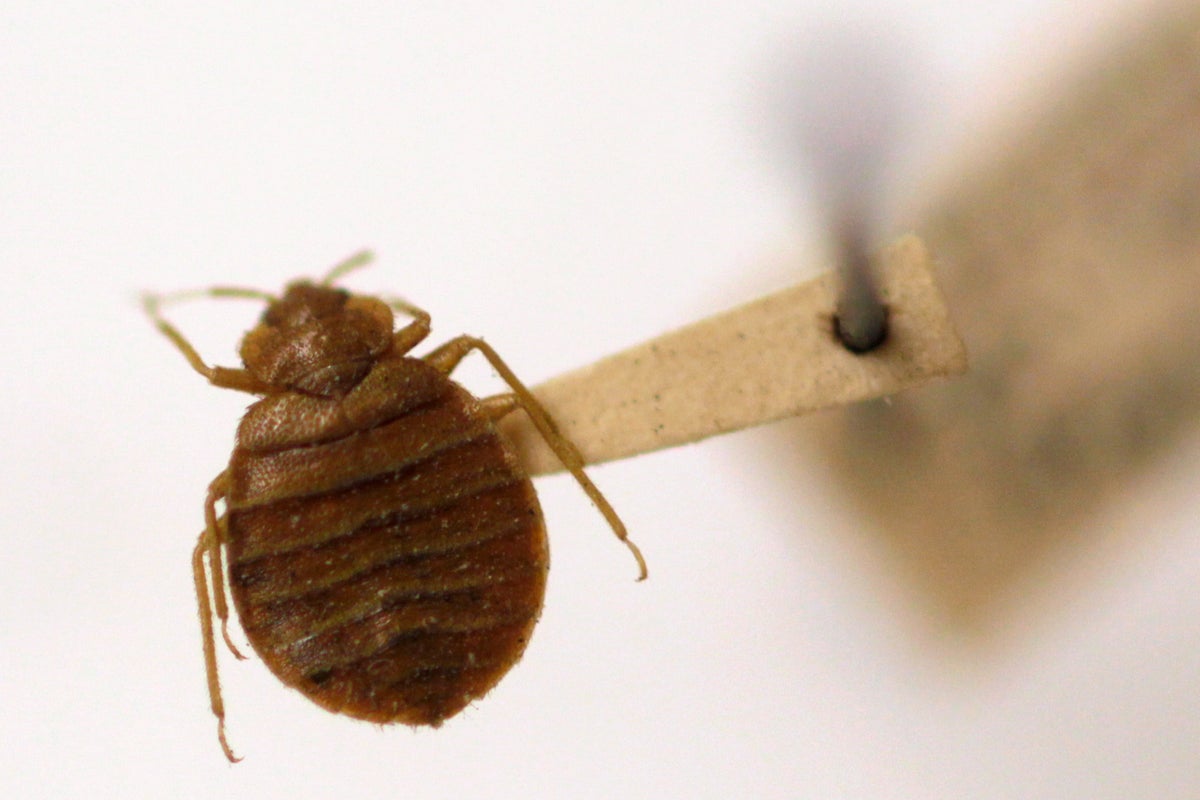
Scientists identify key shift that led to huge rise in bedbugs
Bedbugs may have been interrupting human sleep for more than 50,000 years, but it was only when humans left caves and formed the first cities…
Continue Reading
-
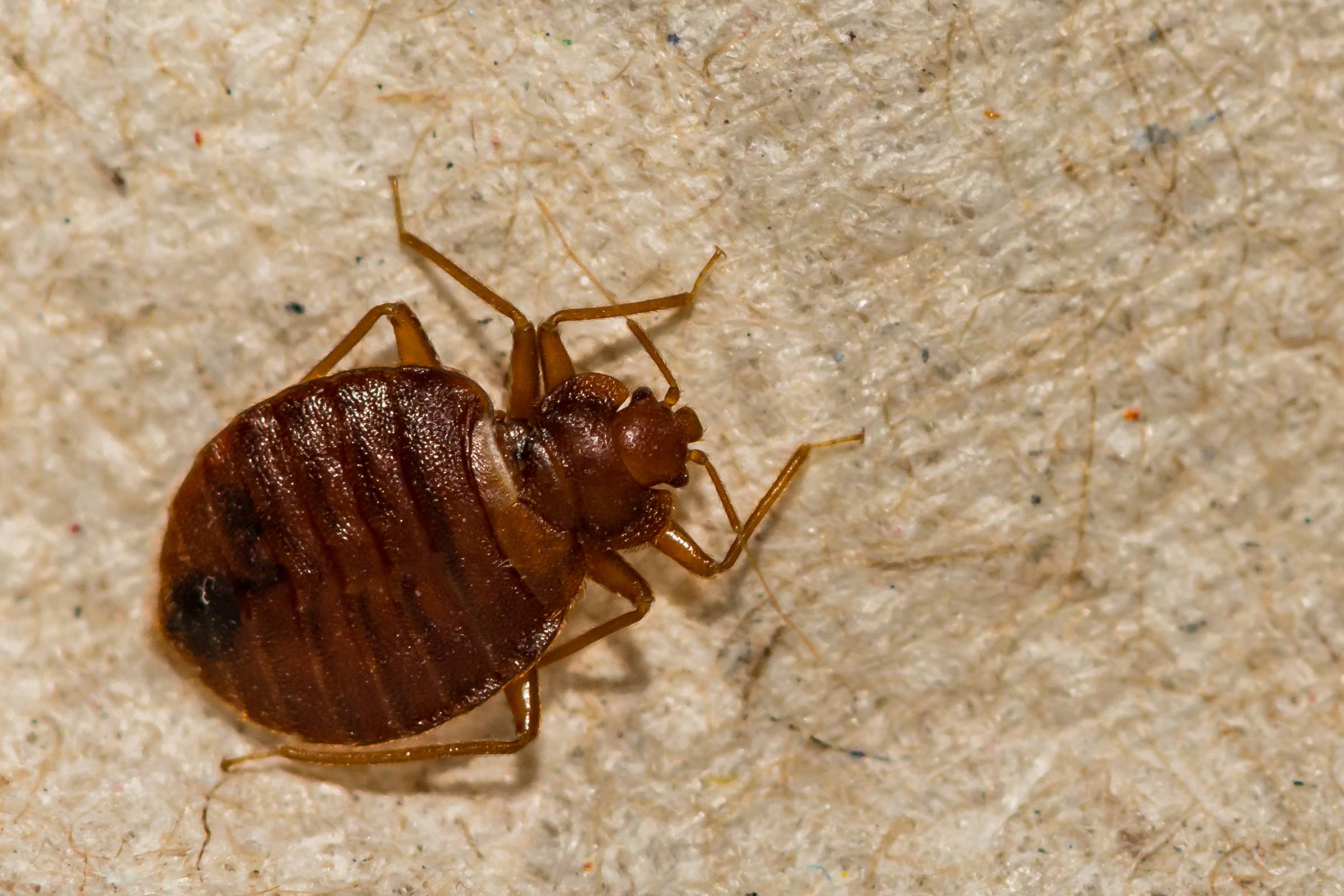
These bugs may be the oldest pests humans have had to deal with
Bed bugs are more than just a modern nuisance. New research shows they have been with us since humans first started living in caves around 60,000 years ago. That makes them possibly the earliest household pests in human history.
The study, published in Biology Letters, examined the…
Continue Reading
-

The ocean is getting even darker
The ocean is darkening.
Researchers say more than a fifth of the planet’s ocean — which makes up 70 percent of the surface of the Earth — has been subject…
Continue Reading