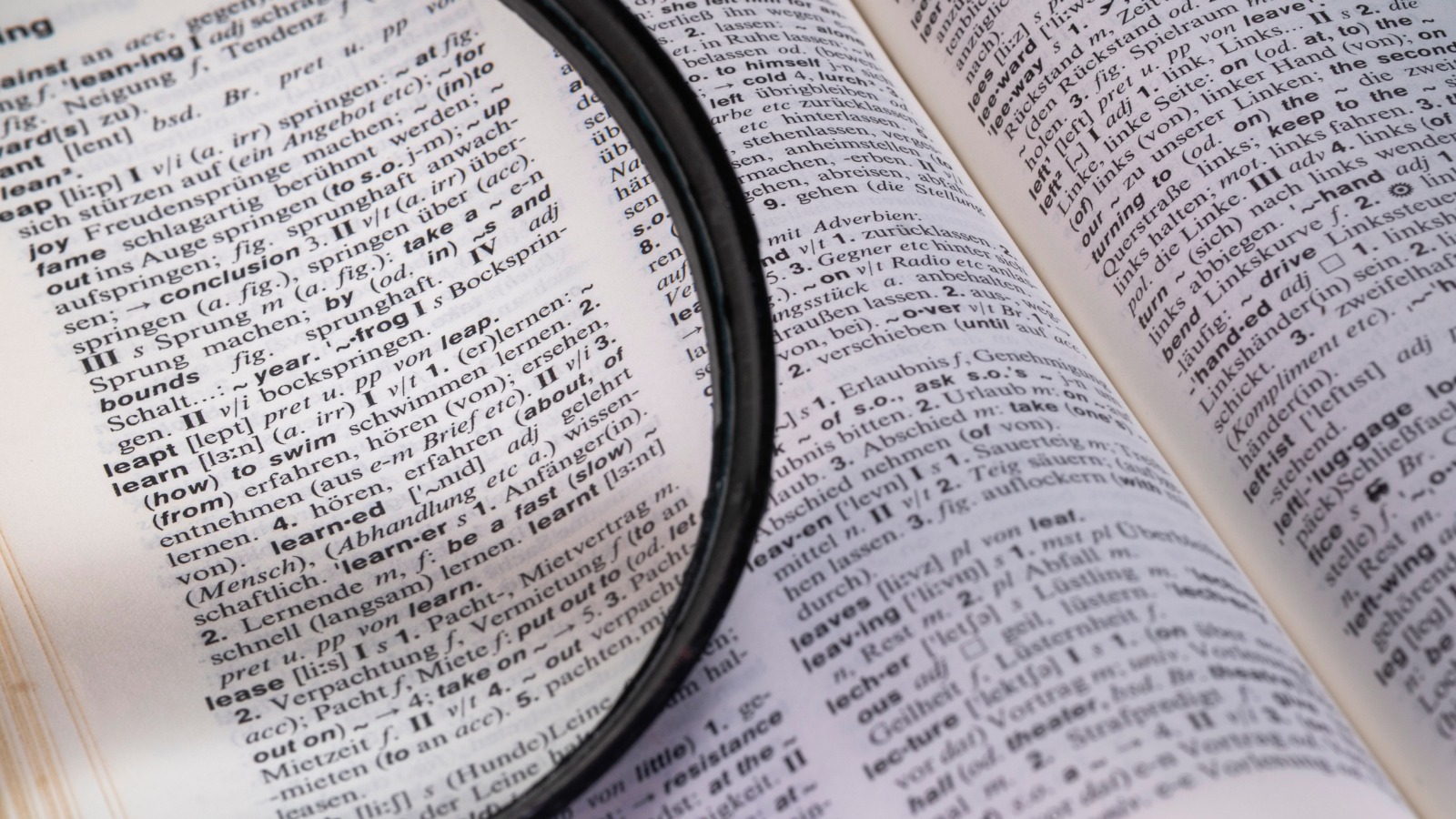
If you spend enough time online, you’re bound to come come across a sentence like this: “Yr brn cn rd wrds wtht vwls.” It looks like nonsense at first glance, but after a moment, you probably read it as “Your brain can read words without vowels.” So, how did you do that?
Category: 7. SciTech
-

Here’s what ‘porn addiction’ actually is (and how to manage it)
Porn: as a society, we’ve worked ourselves into a feverish state of worry over it. Separate from the legitimate ethical concerns about practices in the industry, there’s a plethora of other widespread anxious beliefs: that looking at or watching porn is inherently bad for you; bad for your…
Continue Reading
-
The 6 biggest questions about adult ADHD, answered by a neuroscientist
Unless you’ve been paying ironically little attention in recent years, you’ll have noticed the significant rise in adults being diagnosed with attention-deficit/hyperactivity disorder, more commonly known as ADHD.
While some people blame this on schools and education, others predictably…
Continue Reading
-

Rijksmuseum: 200-year-old condom etched with erotic art makes Amsterdam museum debut
Amsterdam’s Rijksmuseum has unveiled a unique addition to its collection: a condom dating back almost 200 years, adorned with erotic art that…
Continue Reading
-

New theory could finally make ‘quantum gravity’ a reality
Scientists might be on the verge of cracking one of the biggest problems in physics, allowing them to finally create a grand Theory of Everything.
Currently, two separate theories are used to explain different aspects of the Universe around us – quantum mechanics and gravity. Though many have…
Continue Reading
-
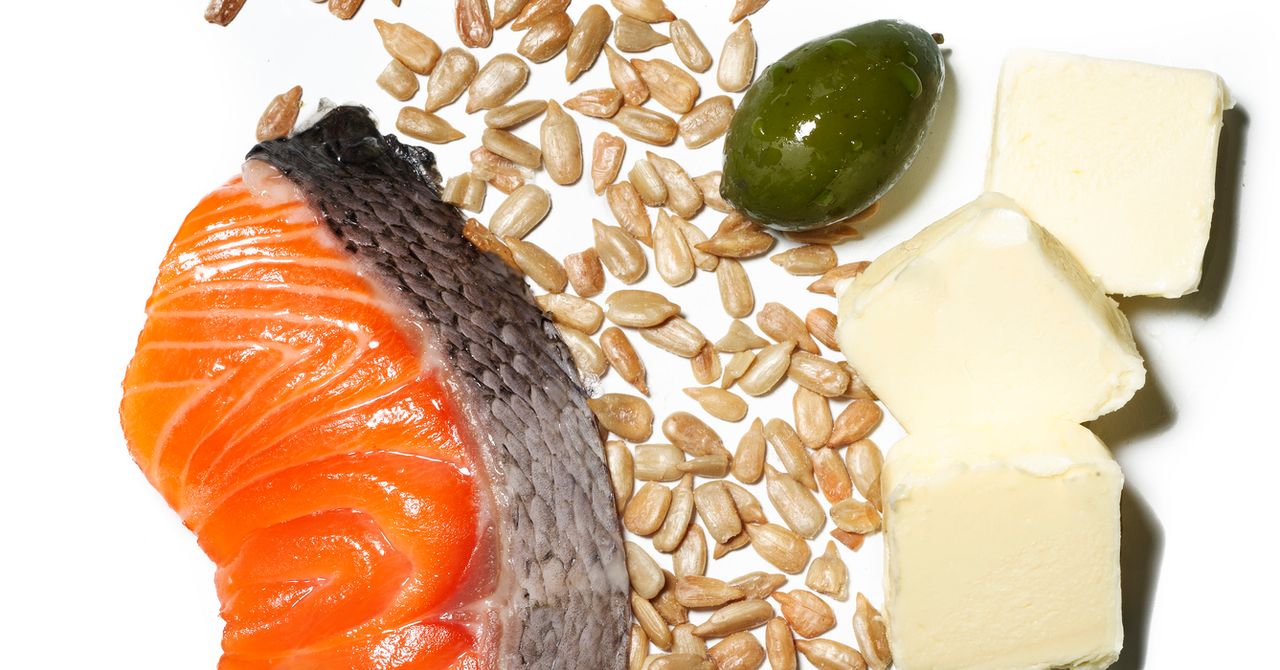
How One Keto Trial Set Off a New War in the Nutrition World
While the study was still in the recruitment phase, Nadolsky left the team.
Entrenched Positions
Klatt, of UC Berkeley, is extremely well-versed in nutrition research and the current online debates around cholesterol. He’s written about this study and its fallout on his personal Substack, and…
Continue Reading
-

Scientists use giant magnets to solve a 20-year-old dark matter mystery
Physicists are always searching for new theories to improve our understanding of the universe and resolve big unanswered questions.
But…
Continue Reading
-

Diet containing foods with this key component can lead to longer life, study finds
A diet containing daily servings of tea, berries, apples, oranges or grapes may lower the risk of early death and promote longevity.
A new study…
Continue Reading
-

Scientists say developing this everyday habit is key to cutting Alzheimer’s risk
Fostering curiosity and being eager to learn into old age can protect against the onset of Alzheimer’s disease, a new study…
Continue Reading
-

Muons: Scientists find mysterious particle that wobbles is still acting weird
Final results from a long-running U.S. experiment have revealed that a tiny particle continues to act strangely, which scientists say is good…
Continue Reading