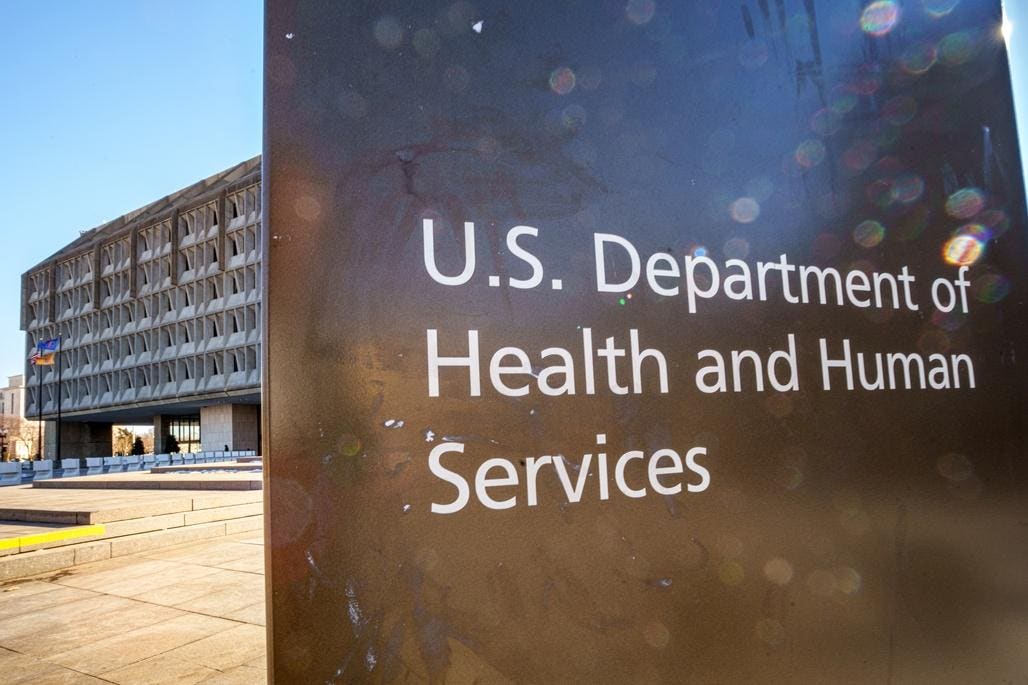
The American Medical Association Friday named as its new CEO Dr. John J. Whyte a former chief … More
Category: 5. Health
-

Novel, needle-free, live-attenuated influenza vaccines with broad protection against human and avian virus subtypes
A research team led by the School of Public Health in the LKS Faculty of Medicine, the University of Hong Kong (HKUMed), in collaboration with the Centre for Immunology & Infection (C2i), has achieved a significant breakthrough in developing broadly protective, live-attenuated influenza vaccines…
Continue Reading
-
Researchers map 7,000-year-old genetic mutation that protects against HIV
Modern HIV medicine is based on a common genetic mutation. Now, researchers have traced where and when the mutation arose — and how it protected our ancestors from ancient diseases.
What do a millennia-old human from the Black Sea region and modern HIV medicine have in common?
Quite a lot, it…
Continue Reading
-
Colonic inflammation explains missing link between obesity and beta-cell proliferation
Researchers at the Tohoku University Graduate School of Medicine have uncovered a key primary step in the hepatic ERK pathway that leads to increased insulin production. While their previous work focused on aspects of the signaling pathway from the liver to the pancreas, this current study shows…
Continue Reading
-
Fatty liver in pregnancy may increase risk of preterm birth
Pregnant women with metabolic dysfunction-associated steatotic liver disease (MASLD) have an increased risk of giving birth prematurely and the risk increase cannot be explained by obesity, according to a new study from Karolinska Institutet published in the journal eClinicalMedicine.
It is…
Continue Reading
-
An enzyme as key to protein quality
A special enzyme — the so-called ubiquitin-selective unfoldase p97/VCP — is one of the main players when cells remove malformed or excess proteins from their interior. This is the central finding of a new study, the results of which have now been published in the journal Nature Communications.
Continue Reading
-
Heart rhythm disorder traced to bacterium lurking in our gums
Tempted to skip the floss? Your heart might thank you if you don’t. A new study from Hiroshima University (HU) finds that the gum disease bacterium Porphyromonas gingivalis (P. gingivalis) can slip into the bloodstream and infiltrate the heart. There, it quietly drives scar tissue buildup –…
Continue Reading
-
Green fabrication of hybrid materials as highly sensitive X-ray detectors
New bismuth-based organic-inorganic hybrid materials show exceptional sensitivity and long-term stability as X-ray detectors, significantly more sensitive than commercial X-ray detectors. In addition, these materials can be produced without solvents by ball milling, a mechanochemical synthesis…
Continue Reading
-
Improving newborn genetic screening | ScienceDaily
More than a decade ago, researchers launched the BabySeq Project, a pilot program to return newborn genomic sequencing results to parents and measure the effects on newborn care. Today, over 30 international initiatives are exploring the expansion of newborn screening using genomic sequencing…
Continue Reading
-
Can frisky flies save human lives?
When fruit flies are infected with the Wolbachia bacteria, their sex lives — and ability to reproduce — change dramatically.
Arizona State University scientist Timothy Karr decided to find out why. What he discovered could help curb mosquito-borne diseases and manage crop pests. And that’s…
Continue Reading