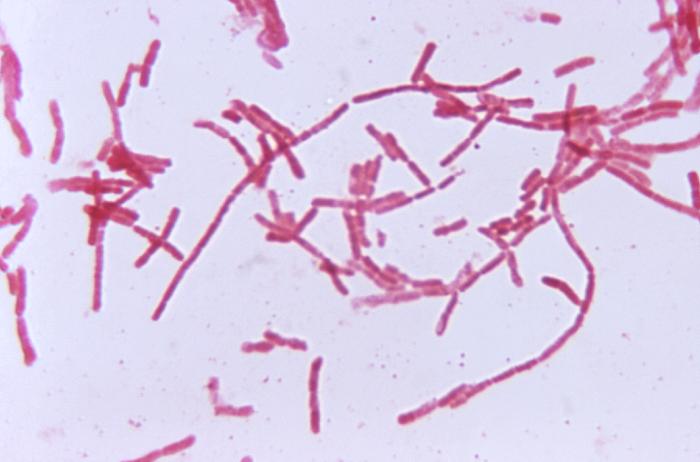
Trillions of microbes live in the human gastrointestinal tract, where they play critical roles in our health and biology; they can help us break down food, absorb nutrients; and they affect the immune system and other aspects of our health. Researchers are…
Category: 5. Health
-
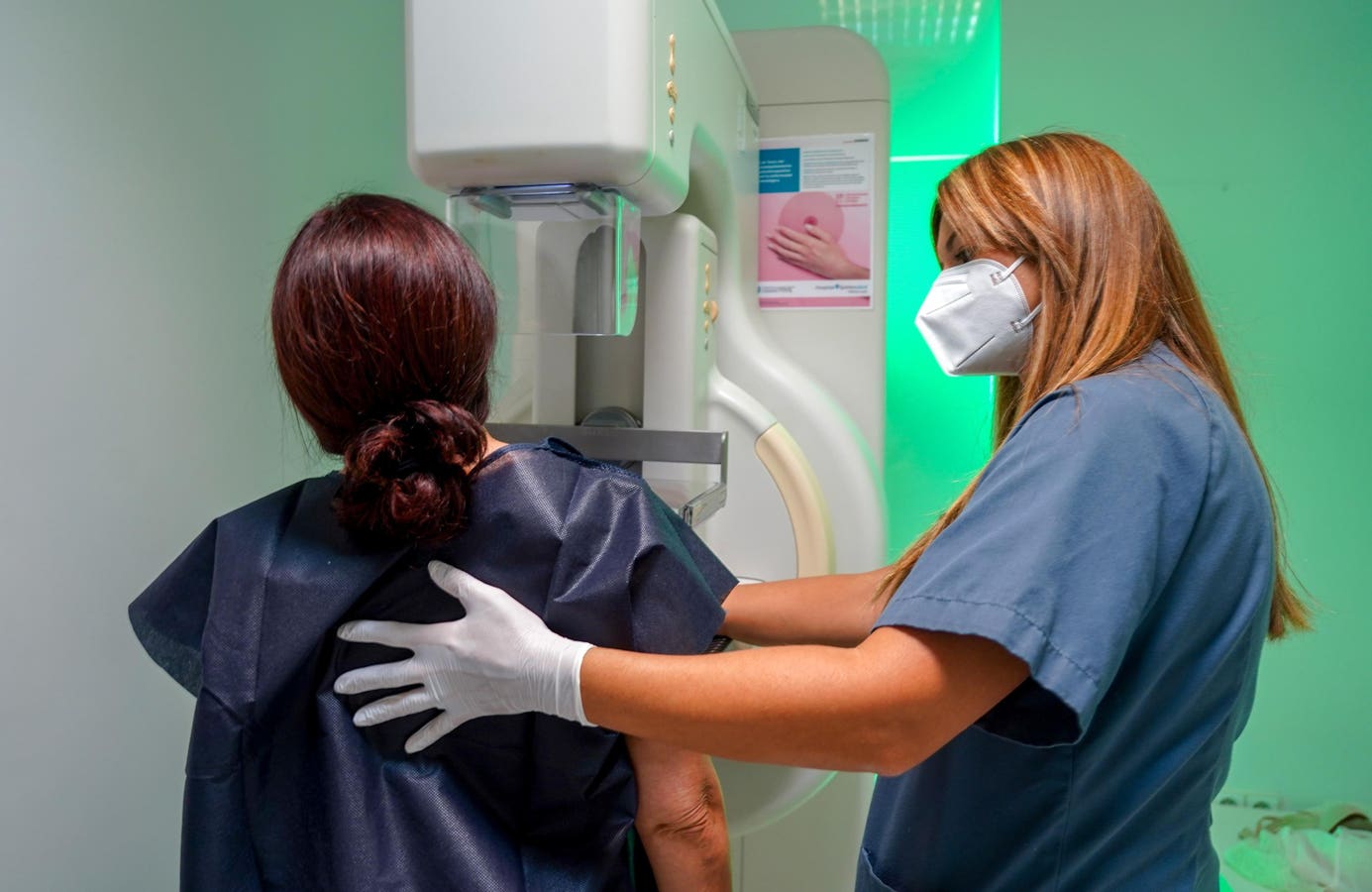
Making Mammograms Automatic – Unintended Consequences Of A Behavioral Economic Intervention
SEVILLE ANDALUSIA, SPAIN – OCTOBER 19: A lady with the help of a nurse gets a mammogram. (Photo By … More
The experiment was simple. A group of behaviorally-minded researchers tested whether patients are more likely to…
Continue Reading
-

‘Ozempic Teeth’, ‘Tongue’, ‘Breath’ As Possible GLP-1 Med Oral Effects
Anecdotal reports and a case series suggest that Ozempic and other GLP-1 receptor agonists may in … More
People have been mouthing off on social media about the different things that Ozempic and other…
Continue Reading
-

Assembly instructions for enzymes | ScienceDaily
In biology, enzymes have evolved over millions of years to drive chemical reactions. Scientists from the Max Planck Institute for Dynamics and Self-Organization (MPI-DS) now derived universal rules to enable the de novo design of optimal enzymes. As an example, they considered the enzymatic…
Continue Reading
-

What Brain Disorder Does Billy Joel Have? A Neurosurgeon Explains
NEW YORK, NEW YORK – DECEMBER 19: Billy Joel performs at Madison Square Garden on December 19, 2023 … More
Rock legend Billy Joel, aged 76, has been diagnosed with normal pressure hydrocephalus (NPH), a neurological condition…
Continue Reading
-
A dental floss that can measure stress
Chronic stress can lead to increased blood pressure and cardiovascular disease, decreased immune function, depression, and anxiety. Unfortunately, the tools we use to monitor stress are often imprecise or expensive, relying on self-reporting questionnaires and psychiatric evaluations.
Now a…
Continue Reading
-
Daytime boosts immunity, scientists find
The immune system is regulated by a body clock and is more active during the day, scientists at Waipapa Taumata Rau, University of Auckland have discovered.
A breakthrough study, led by scientists at Waipapa Taumata Rau, University of Auckland, has uncovered how daylight can boost the immune…
Continue Reading
-
Experimental drug may benefit some patients with rare form of ALS
When Columbia neurologist and scientist Neil Shneider speaks to his ALS patients who volunteer for experimental therapies, he’s unwaveringly honest. “Patients always ask me, “What can I hope to get out of this?” Shneider says. “And I always say, in most clinical trials, our hope is that we can…
Continue Reading
-
First vascularized model of stem cell islet cells
Researchers led by Maike Sander, Scientific Director of the Max Delbrück Center, have developed a vascularized organoid model of hormone secreting cells in the pancreas. The advance, published in Developmental Cell, promises to improve diabetes research and cell-based therapies.
An…
Continue Reading
-
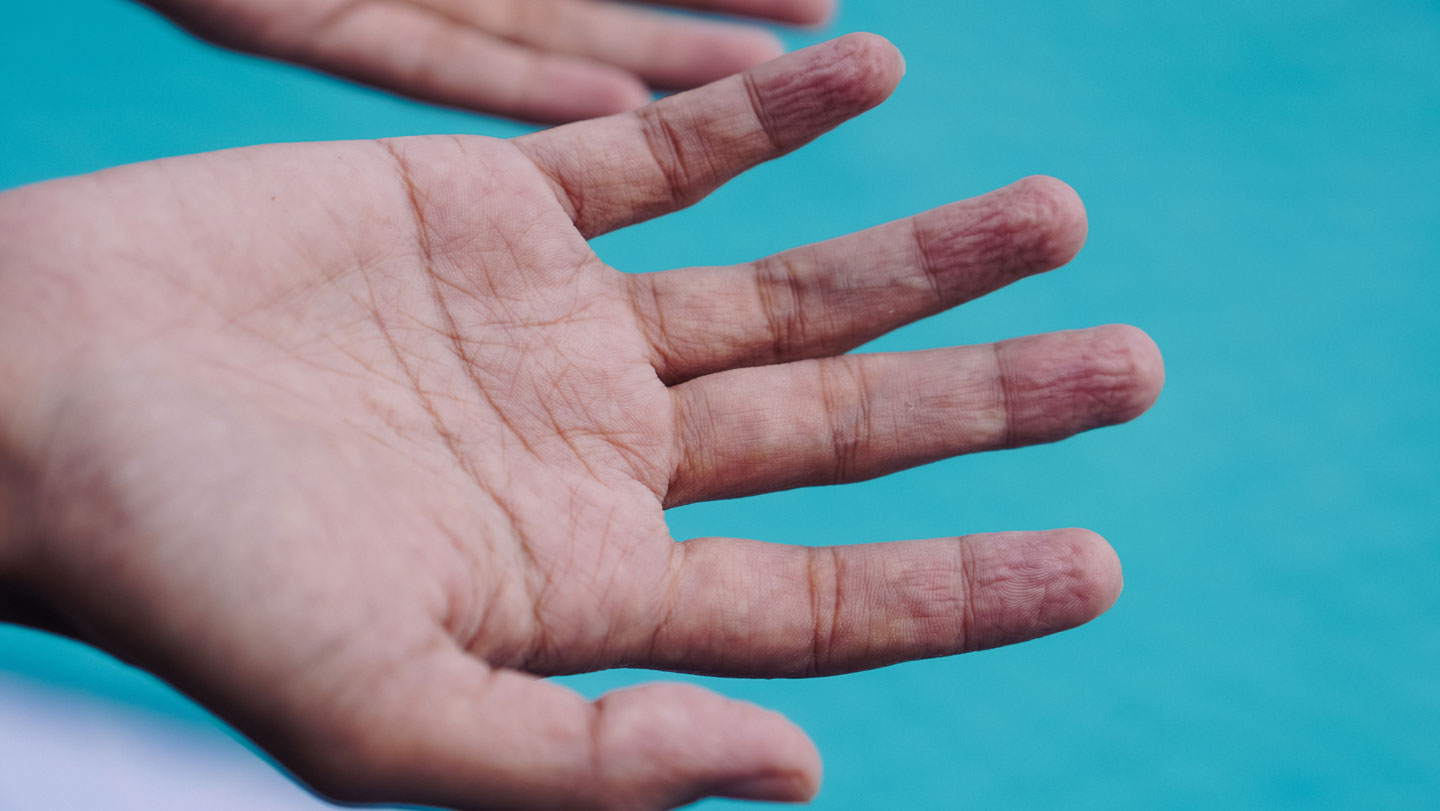
Wet fingers always wrinkle in the same way
Pruney fingertips aren’t swollen sponges — the wrinkles actually come from blood vessels constricting and pulling skin inward.
Continue Reading