- Chronic insomnia — trouble sleeping at least three days a week for three months or more — could speed up brain aging.
- People with chronic insomnia were 40% more likely to develop dementia or mild cognitive issues than people without insomnia.
- Insomnia with perceived reduced sleep was…
Category: 5. Health
-
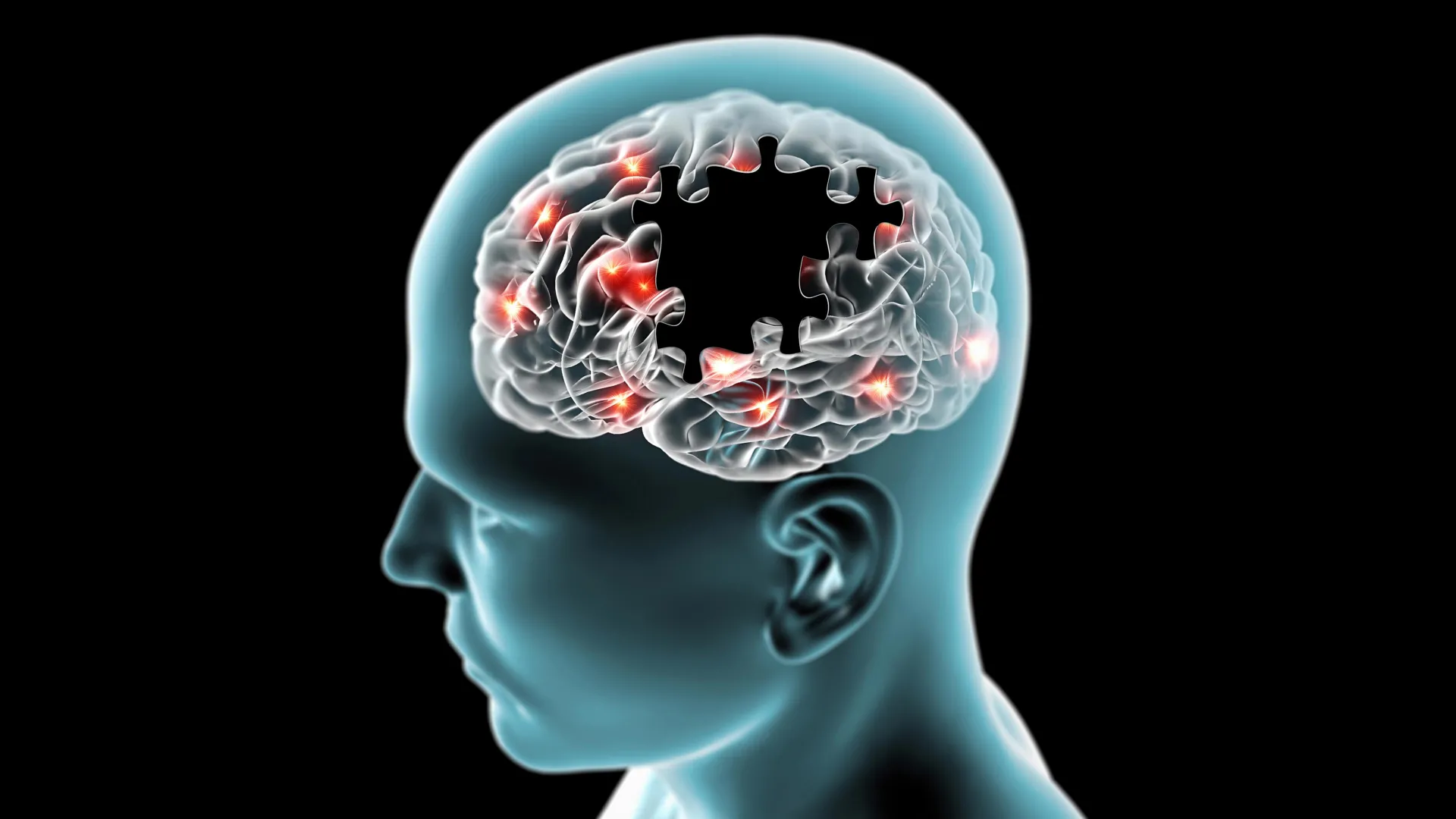
Sleepless nights may raise dementia risk by 40%, Mayo Clinic reveals
-

AI can now predict who will go blind, years before doctors can
Researchers have successfully used artificial intelligence (AI) to predict which patients need treatment to stabilise their corneas and preserve their eyesight, in a study presented today (Sunday) at the 43rd Congress of the European Society of Cataract and Refractive Surgeons (ESCRS). [1]
The…
Continue Reading
-

Most quit breakthrough weight-loss drug within a year
The new class of anti-obesity drugs, glucagon-like peptide-1 receptor agonists (GLP-1RAs), is proving remarkably effective at helping individuals lose weight. However, a new population-wide study being presented at this year’s Annual Meeting of The European Association for the Study of Diabetes…
Continue Reading
-

What Oscar Winner Julianne Moore Wants You To Know About Brain Health
Academy Award winner Julianne Moore has been advocating for more awareness about and attention to brain health. (Photo: Art + Commerce)
Art + Commerce
Here’s something Academy Award-winning actress Julianne Moore wants you to keep in mind. Your mind. What’s happening with your brain. You…
Continue Reading
-

Scientists just found out forever chemicals are shockingly acidic
One of the ways that per- and polyfluoroalkyl substances (PFAS) earn their “forever chemical” nickname and persist in the environment is their acidity.
Many of these toxic chemicals are highly acidic, meaning they easily give up their protons and become negatively charged. This allows them to…
Continue Reading
-

Surprising giant DNA discovery may be linked to gum disease and cancer
Researchers including those at the University of Tokyo have made a surprising discovery hiding in people’s mouths: Inocles, giant DNA elements that had previously escaped detection. These appear to play a central role in helping bacteria adapt to the constantly changing environment of the mouth….
Continue Reading
-

Employee Share Of Health Costs To Eclipse $5,000 Next Year
Employee health costs are likely to surpass $5,000 next year as companies see their biggest cost increases in at least five years, according to projections from Aon.
getty
Employee health costs are likely to surpass $5,000 next year as companies see their biggest cost increases in at least five…
Continue Reading
-

Hidden gut molecule found to wreck kidneys
A molecule made by bacteria in the gut can hitch a ride to the kidneys, where it sets off a chain reaction of inflammation, scarring and fibrosis — a serious complication of diabetes and a leading cause of kidney failure — according to a new study from researchers at the University of Illinois…
Continue Reading
-

Fatty liver breakthrough: A safe, cheap vitamin shows promise
Approximately 30% of the global population is affected by metabolic-associated fatty liver disease (MASLD), a condition that previously lacked targeted treatments. In a groundbreaking discovery, researchers have identified a genetic factor that exacerbates the disease, and remarkably, the…
Continue Reading
-

New Findings Hint At Life On Other Planets
In this week’s edition of The Prototype, we look at the hunt for extraterrestrial life, the Lasker Awards for biomedical research, gene editing to cure diabetes and more. To get The Prototype in your inbox, sign up here.
Artist conception of the Trappist One System
NASA, ESA, CSA, STScI, Joseph…
Continue Reading