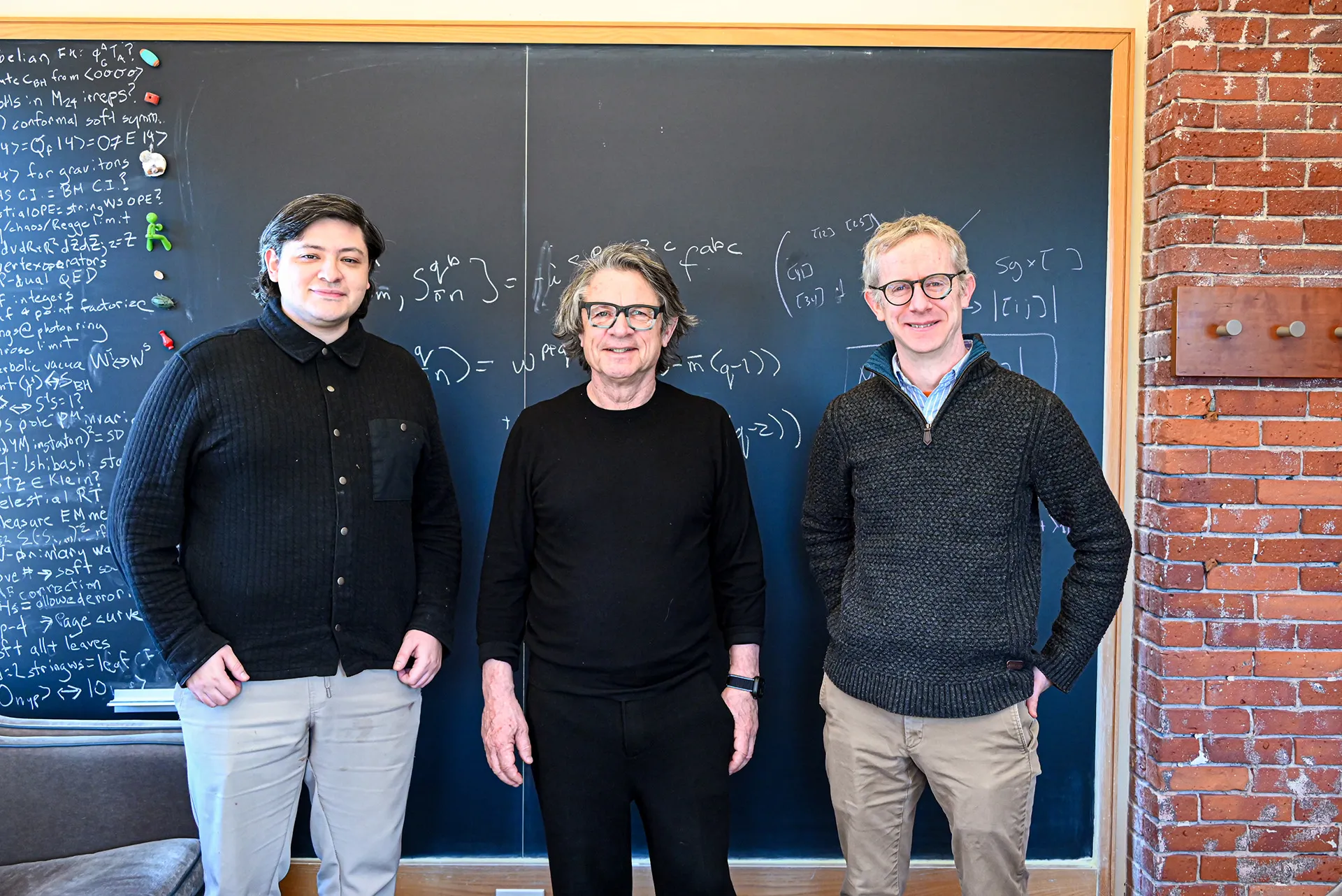
Like many scientists, theoretical physicist Andrew Strominger was unimpressed with early attempts at probing ChatGPT, receiving clever-sounding answers that didn’t stand up to scrutiny. So he was skeptical when a talented former graduate student paused a promising academic career to take a…
Author: wpadmin
-

How Starmer Survived — And Probably Will Again — Russia in Global Affairs
Unlike our American cousins, the UK dish out consequences to Jeffery Epstein’s associates. Damaging revelations from the Epstein Files showed a problematic friendship with Peter Mandelson, who briefly served as Britain’s Ambassador to the U.S. His former boss,…
Continue Reading
-
Preserving learning in the age of AI shortcuts — Harvard Gazette
Tina Grotzer: Once you start to know what your mind can do that’s so much better than AI, it kind of makes sense that some tasks are well-relegated to AI and other tasks are not. That is going to be a constant challenge to figure out those relationships and lines over…
Continue Reading
-
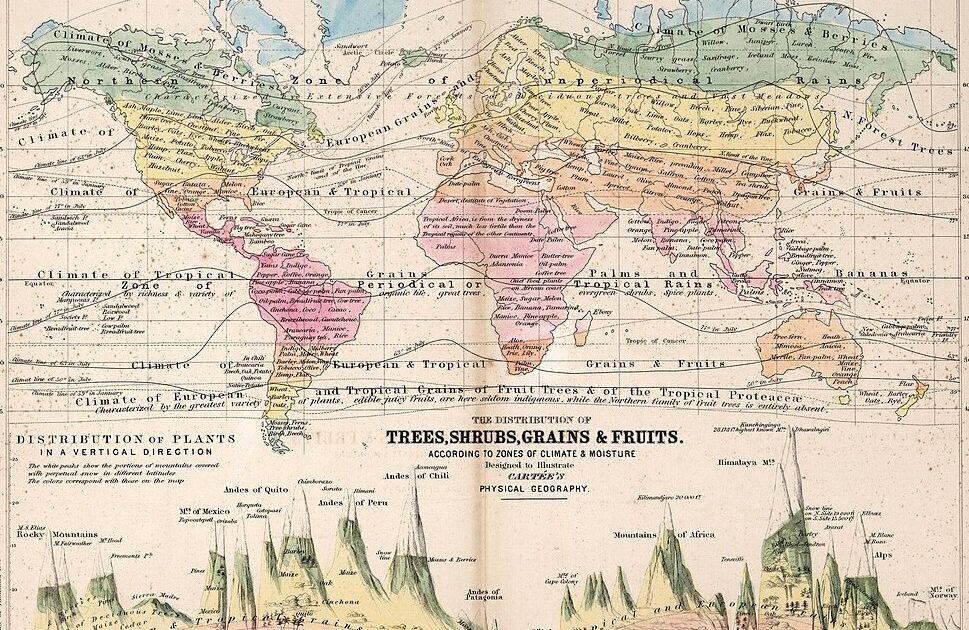
Avoiding Oblivion… and Rehabilitating Humanity — Russia in Global Affairs
Tariq Marzbaan and Nora Hoppe conduct an interview with Professor Sergey Karaganov on nuclear escalation, US decline, Europe’s crisis, and the search for a post-capitalist model to “rehabilitate humanity.”
H/M: It is a great pleasure to embark on a fourth…
Continue Reading
-

The US Wants a Deal. Russia Wants a System — Russia in Global Affairs
After last August’s meeting between the Russian and American presidents in Alaska, a new phrase entered diplomatic circulation: the “spirit of Anchorage.” The substance of the talks was never officially disclosed and can only be reconstructed from selective…
Continue Reading
-
Middlegame and a Strategy for the Day after Tomorrow — Russia in Global Affairs
The current stage of the West’s war against Russia may be ending, but it lasted longer than it should have. Russia has so far lacked the decisiveness needed for active nuclear deterrence, the only solution to the ‘European problem’ that again threatens us.
But…
Continue Reading
-
A ‘cocktail’ recipe for brain cells — Harvard Gazette
Harvard stem cell biologists have discovered a way to grow the type of brain cells that degenerate in patients with amyotrophic lateral sclerosis (ALS) and suffer damage in spinal cord injuries.
In a paper published in the journal eLife, researchers engineered a cocktail of molecular signals…
Continue Reading
-

Two Weeks in Review: 26 January—6 February 2026 – EJIL: Talk!
The last two weeks have taken us from headlines to bylines and beyond. Front-page legal questions on USA-Greenland and Russia-Ukraine continue to occupy commentators. While others draw our attention to the lesser thumbed back pages: from colonial-era agreements in contemporary arbitration, and…
Continue Reading
-

When you do the math, humans still rule — Harvard Gazette
Have reports of AI replacing mathematicians been greatly exaggerated?
Artificial intelligence has attained an impressive series of feats — solving problems from the International Math Olympiad, conducting encyclopedic surveys of academic literature, and even finding solutions to some…
Continue Reading
-
Cognitive scientist explains how we ‘see’ what isn’t real — Harvard Gazette
Imagine this: A person walks into a room and knocks a ball off a table.
Did you imagine the gender of the person? The color of the ball? The position of the person relative to the ball?
Yes and no, says cognitive scientist Tomer Ullman, the Morris Kahn Associate Professor of…
Continue Reading